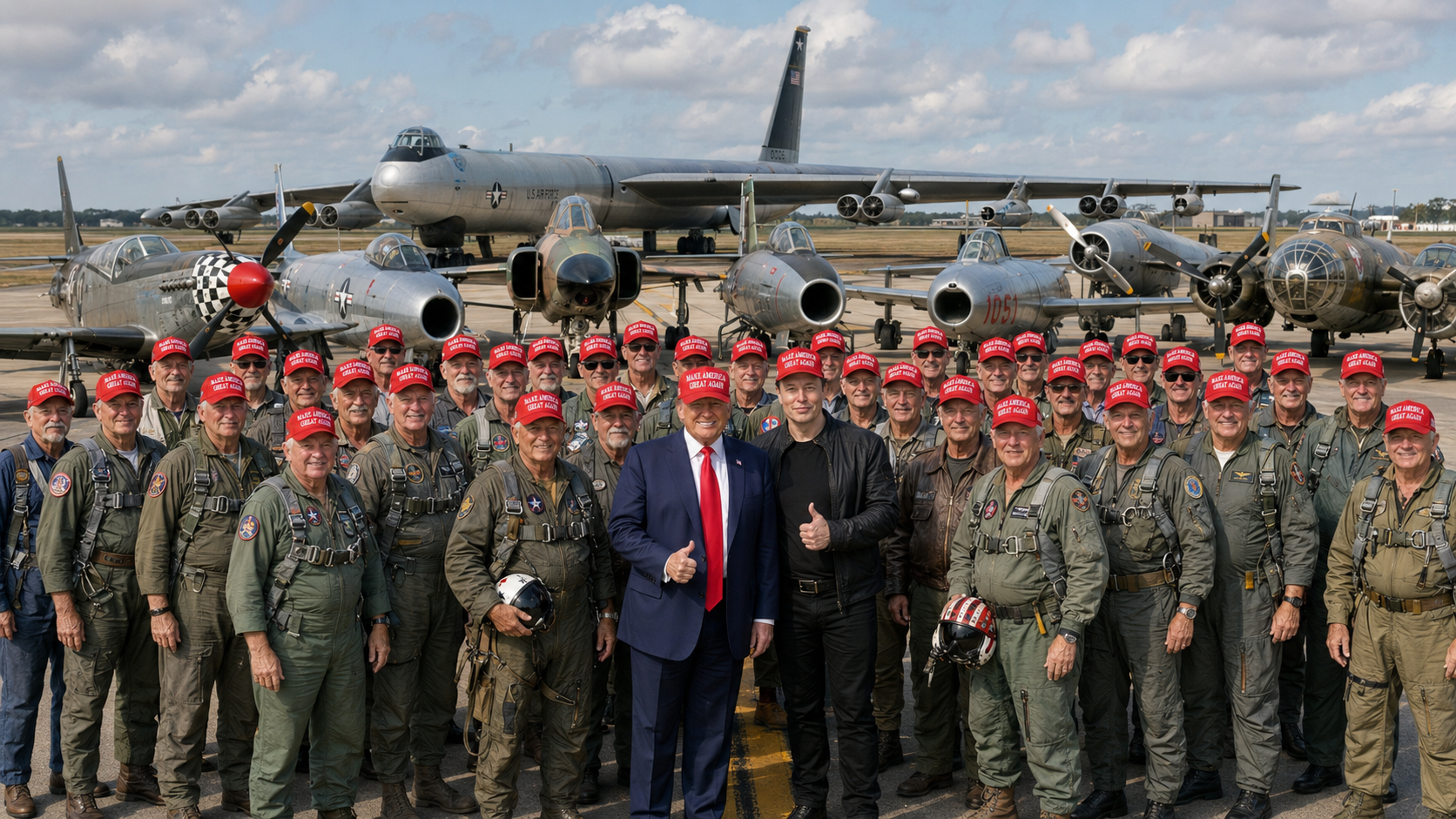
For decades, America’s military pilots have lived on the edge of possibility.
They have flown through thunderstorms over the Pacific, landed on aircraft carriers at night, refueled bombers in midair, and streaked across the sky at supersonic speed. They have carried troops into danger, defended allies, and placed their lives in the hands of machines worth hundreds of millions of dollars.
The job demands extraordinary skill, discipline, and courage.
But after years of service—often after 20 to 30 years in uniform—what does the nation give these aviators in return?
You May Also Like


The answer is both practical and symbolic.
A military pension is more than a paycheck.
It is a lifelong recognition that the pilot who once guarded the nation’s skies should never have to worry about being forgotten.
For retired U.S. military pilots, that pension typically ranges from $50,000 to more than $100,000 per year, and in many cases the total retirement income is significantly higher when healthcare and disability benefits are included.
The Price of a Career in the Sky

Military pilots do not simply learn to fly.
They endure one of the most demanding professional journeys in the world.
Years of training, repeated deployments, long separations from family, and constant exposure to risk become part of everyday life. Fighter pilots withstand crushing G-forces. Helicopter crews fly low and close to danger. Transport and tanker pilots carry enormous responsibility over thousands of miles.
By retirement, many have accumulated:
- Thousands of flight hours
- Combat experience
- Leadership of aircrews and squadrons
- Expertise that would command high salaries in civilian aviation
Their pension is the nation’s way of honoring that lifetime of service.
How Military Pilot Pensions Are Calculated
Military retired pay is based on three main factors:
- Rank at retirement
- Years of service
- The retirement system used
The formula uses the average of the pilot’s highest 36 months of base pay—commonly called the “High-36” or “High-3” average.
Important note:
- Housing allowances
- Flight pay
- Bonuses
- Special duty pay
do not count toward retired pay calculations.
Only basic pay is used.
Legacy Retirement System (High-36 Plan)


For service members who entered the military before 2018, the standard formula is:
\text{Retired Pay} = (2.5% \times \text{Years of Service}) \times \text{High-36 Average Base Pay}
Example Multipliers
- 20 years of service = 50%
- 24 years = 60%
- 30 years = 75%
This means a pilot retiring after 20 years receives half of their average highest three years of base pay for life, adjusted annually for inflation.
Blended Retirement System (BRS)

For those who joined or opted in on or after January 1, 2018, the formula is:
\text{Retired Pay} = (2.0% \times \text{Years of Service}) \times \text{High-36 Average Base Pay}
Example Multipliers
- 20 years = 40%
- 25 years = 50%
- 30 years = 60%
The lower pension percentage is partially offset by government contributions to the Thrift Savings Plan (TSP), similar to a 401(k).
Over time, strong investment returns can significantly increase total retirement wealth.
Typical Pension by Rank

Most career military pilots retire between the ranks of Major (O-4) and Colonel (O-6).
Major (O-4)
- Estimated annual pension: $55,000 to $60,000
Lieutenant Colonel (O-5)
- Estimated annual pension: $60,000 to $75,000
Colonel (O-6)
- Estimated annual pension: $75,000 to $100,000+
Pilots who serve longer than 20 years or retire at senior ranks can earn substantially more.
Healthcare for Life: One of the Most Valuable Benefits

Retired pilots are eligible for TRICARE, one of the most valuable benefits in military retirement.
TRICARE provides:
- Low-cost medical coverage
- Prescription benefits
- Access to civilian and military providers
- Coverage for spouses and eligible dependents
Over a lifetime, this benefit can save retirees hundreds of thousands of dollars.
VA Disability Compensation: Tax-Free Additional Income

Many military pilots qualify for tax-free compensation from the U.S. Department of Veterans Affairs.
Years of flying can contribute to:
- Hearing loss
- Neck and back injuries
- Sleep disorders
- Joint pain
- Anxiety or post-traumatic stress
Depending on the disability rating, this compensation can add hundreds to several thousand dollars per month.
For many retirees, VA disability payments significantly increase total monthly income.
What a Retired Military Pilot Can Actually Earn

A retired lieutenant colonel might receive:
- Military pension: $65,000 per year
- VA disability compensation: $20,000+ tax-free per year
- Healthcare through TRICARE
- Civilian airline or defense industry salary
Many former military pilots begin second careers with airlines such as Delta Air Lines, United Airlines, or American Airlines, where earnings can exceed six figures.
As a result, total annual income after military retirement can be exceptionally strong.
More Than Money

A military pension is not a reward for an easy job.
It is compensation for years spent accepting extraordinary responsibility.
These pilots carried lives in their hands. They flew through danger, endured separation from loved ones, and served whenever the nation called.
Their pension reflects a simple principle:
A country should honor those who spent their best years defending it.
Final Thoughts: Wings That Keep Providing
A retired U.S. military pilot typically earns between $50,000 and over $100,000 per year in pension income alone.
When combined with TRICARE healthcare, VA disability compensation, and civilian career opportunities, many retired pilots enjoy financial security built on decades of disciplined service.
But the true value of that retirement cannot be measured only in dollars.
It represents sacrifice recognized.
Duty rewarded.
And a promise kept.
These men and women once protected the nation from the skies.
Long after their final landing, the nation continues to stand behind them.