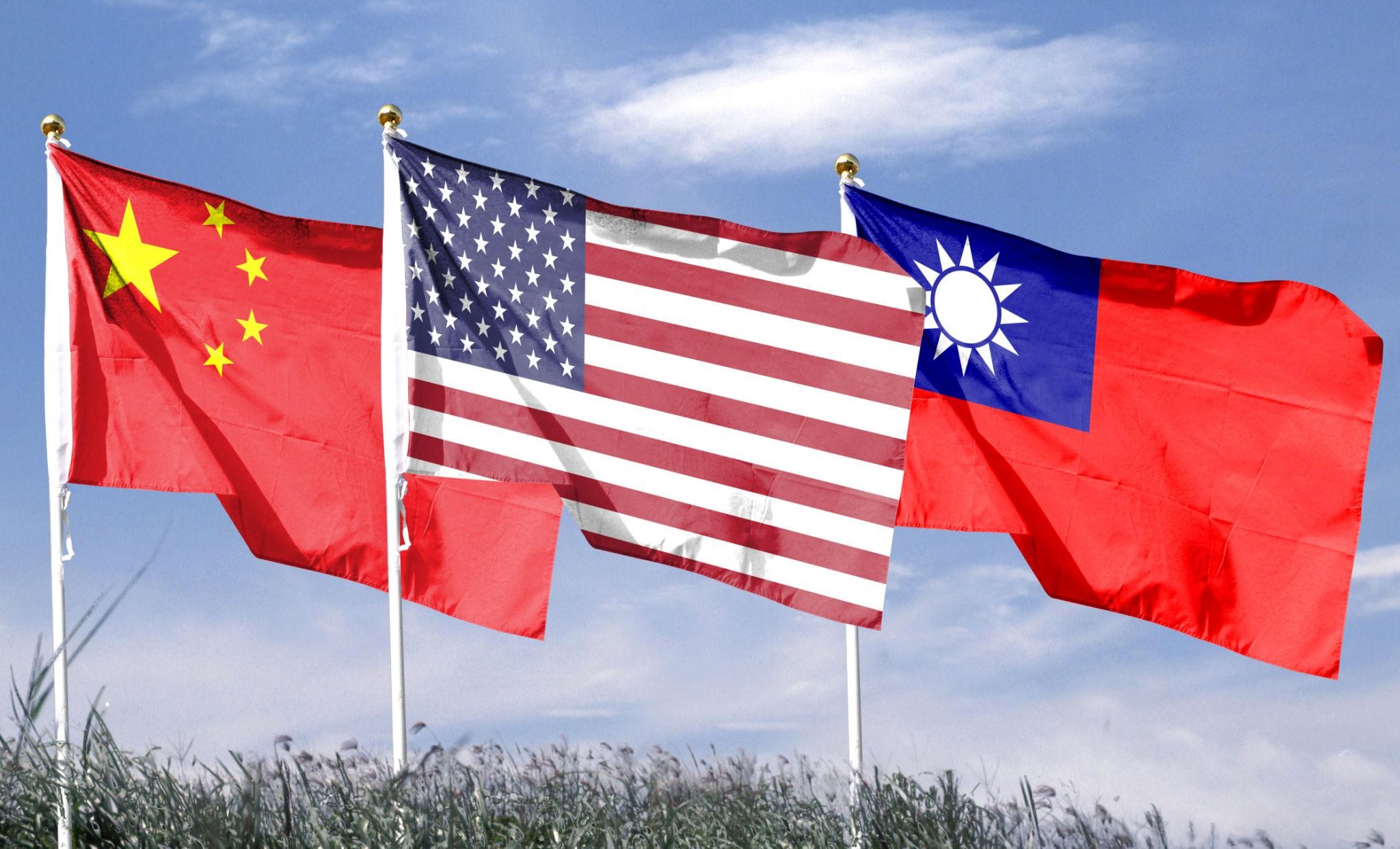
The future of Taiwan remains one of the most dangerous flashpoints in global politics, and President Donald Trump has once again placed the issue at the center of international attention.
Following a high-stakes summit in Beijing with Chinese President Xi Jinping, Trump delivered a clear and sobering message: the United States does not want Taiwan to formally declare independence.
His words were simple, but their meaning was profound.
“I’m not looking to have somebody go independent.”
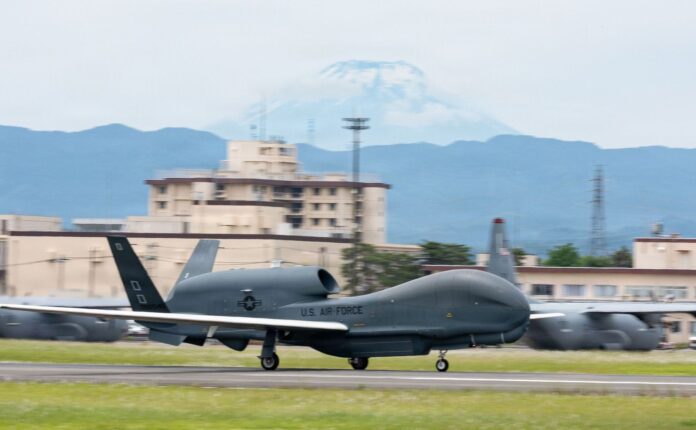
Those remarks underscored one of the most delicate realities in modern diplomacy: maintaining peace in the Taiwan Strait may depend on preserving the status quo.
Taiwan: A Democracy at the Center of a Global Power Struggle


Taiwan is a thriving democracy, home to more than 23 million people and a world leader in advanced semiconductor manufacturing. Taiwan views itself as a sovereign nation with its own government, military, and democratic institutions.
President Lai Ching-te has stated that Taiwan does not need to declare independence because it already functions as an independent country.
But China sees Taiwan very differently.
The government in Beijing considers Taiwan an inseparable part of China and has repeatedly declared that reunification is inevitable, by force if necessary.
This clash of identities makes Taiwan not only a symbol of democracy, but also a potential trigger for conflict between the world’s two most powerful nations.
Trump’s Strategic Message: Preserve Peace, Avoid War

Trump emphasized that the United States is not seeking war with China.
“We’re supposed to travel 9,500 miles to fight a war. I’m not looking for that.”
This statement reflects a practical strategic calculation. Any military confrontation over Taiwan would be extraordinarily costly and could destabilize the global economy.
Trump’s message was directed at all sides:
- Taiwan should avoid provocative moves toward formal independence.
- China should reduce military pressure.
- The United States should continue supporting peace and deterrence.
Rather than changing long-standing policy, Trump reaffirmed the U.S. position that Washington opposes unilateral changes to the status quo.
Xi Jinping’s Stark Warning

Xi reportedly told Trump that Taiwan is the most important issue in U.S.–China relations.
According to Chinese state media, Xi warned:
“If mishandled, the two nations could collide or even come into conflict.”
This was not diplomatic rhetoric. It was a reminder that Taiwan remains China’s top geopolitical priority.
For Xi, Taiwan is tied to national sovereignty, legitimacy, and what Beijing calls the “great rejuvenation of the Chinese nation.”
America’s Delicate Balancing Act


The United States follows a carefully calibrated policy known as “strategic ambiguity.”
Washington:
- Does not formally recognize Taiwan as an independent country.
- Does not support formal Taiwanese independence.
- Is committed under the Taiwan Relations Act to provide Taiwan with defensive weapons.
This approach aims to deter both a Chinese invasion and a unilateral declaration of independence by Taiwan.
It is a policy designed to maintain peace through uncertainty.
The $11 Billion Arms Sale Debate


The Trump administration announced an $11 billion package of military equipment for Taiwan, including advanced rocket systems and missiles.
China strongly condemned the proposed sale, while Taiwan described it as a cornerstone of regional security.
Taiwanese officials argue that arms sales strengthen deterrence and reduce the risk of war by convincing Beijing that aggression would come at a heavy cost.
This reflects a central lesson of international security: peace is often preserved not by weakness, but by credible strength.
Taiwan’s Response: Calm but Vigilant

Taiwan’s government responded cautiously.
Deputy Foreign Minister Chen Ming-chi said Taiwan would seek clarification regarding Trump’s comments, while reaffirming the importance of U.S. defense support.
President Lai’s office emphasized that Taiwan remains committed to peace and regional stability.
For Taiwan, diplomacy and deterrence are equally essential.
Why Most Taiwanese Support the Status Quo


Although many Taiwanese identify strongly as Taiwanese rather than Chinese, public opinion consistently shows that most people prefer the current arrangement.
They want Taiwan to:
- Govern itself freely.
- Preserve democracy.
- Avoid war.
- Delay any formal decision on independence or unification.
This pragmatic consensus reflects a deep understanding of geopolitical reality.
Freedom matters, but so does peace.
The Global Stakes: Why the World Is Watching

Taiwan produces the world’s most advanced semiconductors through companies such as Taiwan Semiconductor Manufacturing Company.
These chips power smartphones, automobiles, data centers, and military systems worldwide.
A conflict over Taiwan could:
- Disrupt global supply chains.
- Trigger a worldwide recession.
- Draw in the United States and regional allies.
- Redefine the balance of power in Asia.
Taiwan’s future is therefore not only a regional issue; it is a global one.
A Defining Test of Leadership
Trump’s comments reveal a hard truth about statesmanship: true leadership is not about dramatic declarations, but about preventing catastrophic miscalculations.
Xi seeks national reunification.
Taiwan seeks security and democratic self-rule.
The United States seeks to deter war without provoking one.
Each side is trying to protect its core interests, yet the margin for error is narrow.
Final Thoughts: Peace Requires Wisdom, Strength, and Restraint
The Taiwan question is one of the most consequential geopolitical challenges of the 21st century.
Trump’s warning was more than a political statement. It was a reminder that peace often depends on restraint.
Taiwan stands as a beacon of democracy.
China views reunification as a historic mission.
The United States remains caught between its support for Taiwan and its desire to avoid direct conflict with China.
The world hopes that all three will choose patience over pride, dialogue over escalation, and stability over war.
Because in the Taiwan Strait, a single decision could shape the destiny of Asia—and the future of the world.