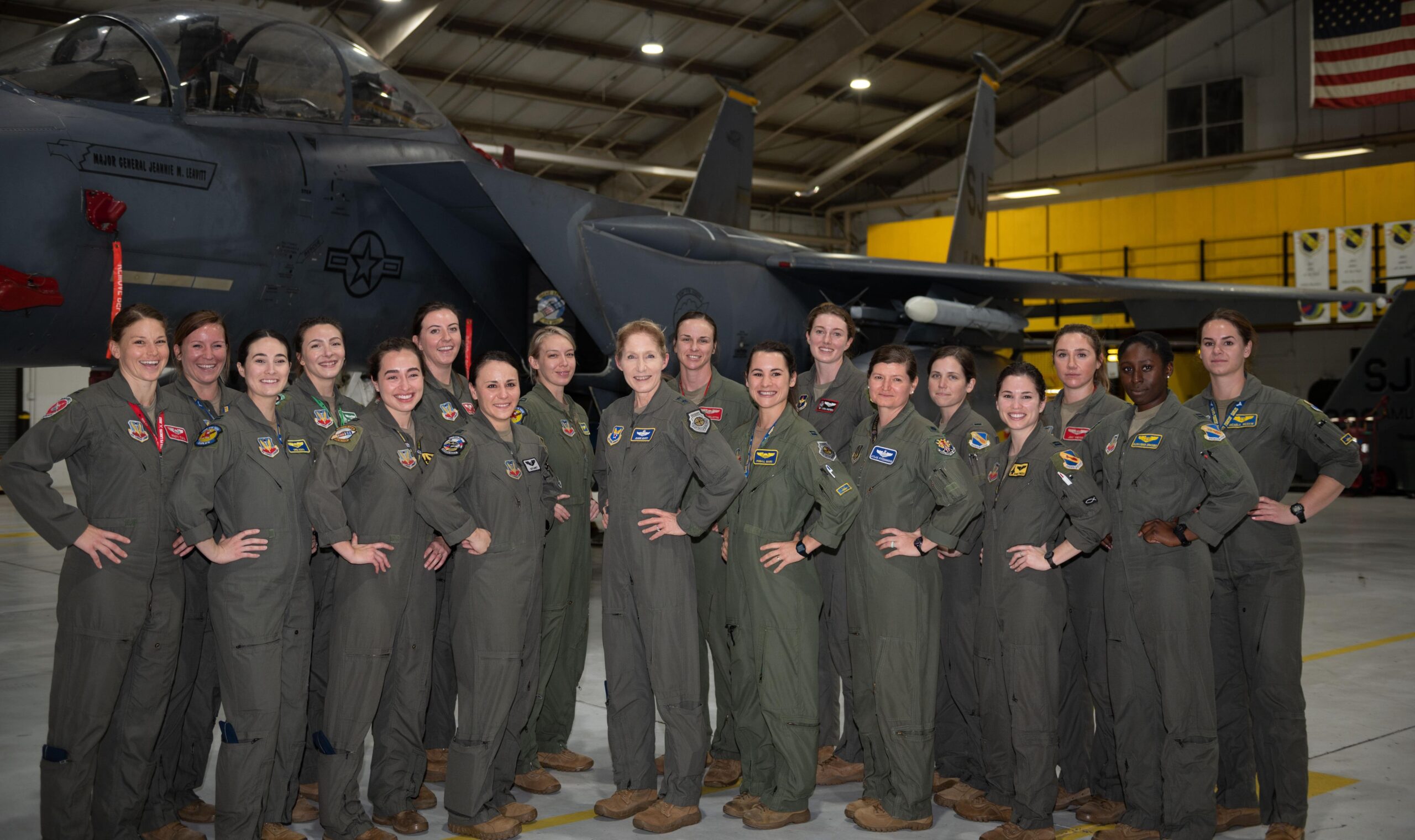
Breaking the Sound Barrier of Tradition

For much of modern history, military aviation was considered one of the most demanding and exclusive professions in the world. The cockpit of a fighter jet, bomber, or helicopter was seen as a place reserved almost entirely for men.
That reality has changed.
Today, hundreds of women serve as military pilots across the armed forces of the United States, flying some of the most advanced aircraft ever built. They command fighters, refueling tankers, transport aircraft, surveillance planes, helicopters, and training jets. They deploy to combat zones, lead squadrons, and inspire a new generation of aviators.
You May Also Like
Their journey has not been easy.
Every woman who earned her wings had to overcome not only the brutal academic and physical demands of flight training, but also decades of tradition and skepticism.
Their success proves a powerful truth:
Talent has no gender. Courage has no boundaries. And the sky belongs to those who dare to reach it.
How Many Female Military Pilots Serve Today?


There is no single public number that captures every female military pilot in the United States.
Each branch—including the United States Air Force, United States Navy, United States Marine Corps, United States Army, and United States Coast Guard—tracks aviation personnel differently. Some counts include only active-duty pilots, while others combine Guard and Reserve members or include broader aviation roles.
However, the clearest public figure comes from the Air Force.
In 2023, the U.S. Air Force reported:
- 708 female rated pilots
- 10,964 total rated pilots
- Women represented 6.5% of all Air Force pilots
- Only 103 were female fighter pilots
These numbers highlight both significant progress and the long road still ahead.
When all military branches, Guard, and Reserve components are considered, the most reasonable estimate is:
The United States likely has well over 1,000 female military pilots serving today.
That number continues to grow every year.
Women in the Air Force: Breaking Through at Mach Speed


The Air Force has become one of the most visible symbols of women’s progress in military aviation.
Female pilots now fly aircraft such as:
- F-35 Lightning II
- F-22 Raptor
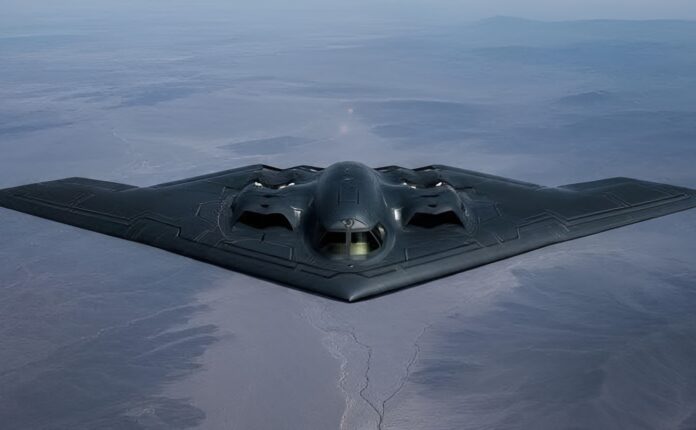
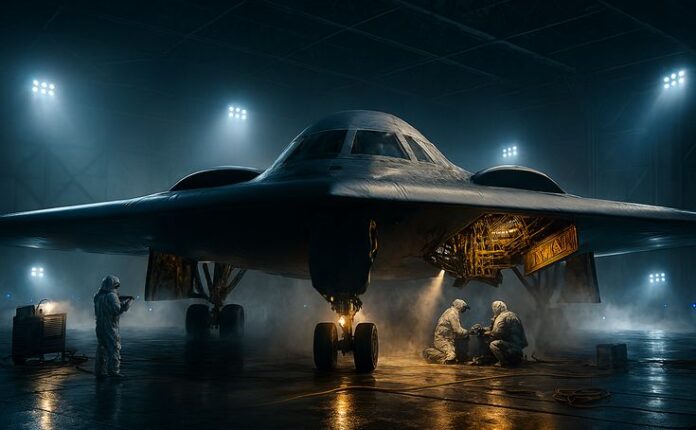
- B-2 Spirit
- KC-135 Stratotanker
- C-17 Globemaster III
To become a fighter pilot is among the most difficult achievements in the military. It requires years of intense study, exceptional reflexes, and the ability to make split-second decisions under extreme pressure.
The fact that more than one hundred women now fly Air Force fighters is a historic milestone.
They are no longer rare exceptions.
They are becoming part of the future of American airpower.
Women in Naval Aviation: Fifty Years of Wings of Gold


The U.S. Navy opened a new chapter in 1973 when the first eight women began naval flight training.
In 1974, six of them earned their coveted Wings of Gold.
It was a breakthrough that transformed naval history.
Today, women serve throughout Naval Aviation, flying aircraft such as:
- F/A-18 Super Hornet
- EA-18G Growler
- P-8 Poseidon
- MH-60 Seahawk
Women now make up approximately 15% of the Naval Aviation workforce, a figure that includes pilots and many other aviation specialties.
From aircraft carriers in the Pacific to surveillance missions over distant oceans, women have become an indispensable part of naval airpower.
Flying in Every Branch


Women are not limited to Air Force and Navy cockpits.
Across the U.S. military, they fly a vast range of aircraft:
Army Aviation
Women fly helicopters such as the UH-60 Black Hawk, AH-64 Apache, and CH-47 Chinook.
Marine Corps Aviation
Women operate fighter jets, helicopters, and tiltrotor aircraft like the MV-22 Osprey.
Coast Guard Aviation
Women conduct rescue, maritime patrol, and homeland security missions over America’s coasts and oceans.
These aviators save lives, support troops, and defend national interests every day.
Why Their Numbers Matter

Statistics tell only part of the story.
Each number represents a woman who:
- Survived one of the toughest training pipelines in the world
- Accepted enormous responsibility
- Earned the trust of her crew and commanders
- Chose service over comfort
- Proved that excellence transcends stereotypes
Their presence matters because representation shapes ambition.
When young girls see women wearing flight suits and climbing into fighters, helicopters, and bombers, they begin to believe:
“I can do that too.”
That belief changes lives.
And eventually, it changes history.
Still a Minority, But No Longer a Curiosity

Women remain a small minority in military aviation, especially in fighter communities.
The Air Force figure of 6.5% female pilots closely mirrors the broader aviation industry, where women continue to be underrepresented.
But the trend is unmistakable.
Every year, more women earn their wings.
More command aircraft.
More lead squadrons.
More become mentors to those who follow.
Progress may be gradual, but it is real and irreversible.
The Meaning of the Wings

Pilot wings are more than a badge.
They symbolize discipline, sacrifice, and mastery.
They represent thousands of hours of study and training.
They represent the courage to take responsibility for a multi-million-dollar aircraft and the lives of others.
For women in military aviation, those wings carry an additional meaning.
They symbolize barriers broken and possibilities expanded.
They are proof that the sky was never closed—only waiting for those determined enough to reach it.
Final Thoughts: Women Who Turned the Sky into Opportunity
The United States likely has more than 1,000 female military pilots serving across all branches today.
That number may still be small compared with the total force, but its significance is enormous.
These women are not just participating in history.
They are writing it.
They fly into storms, over oceans, and through the darkness of uncertainty.
They defend their nation with skill, intelligence, and unwavering courage.
And with every takeoff, they send a message to the world:
The future of military aviation is not defined by gender. It is defined by excellence.
Their wings are forged in discipline.
Their missions are carried by courage.
And their legacy is rising higher with every generation.