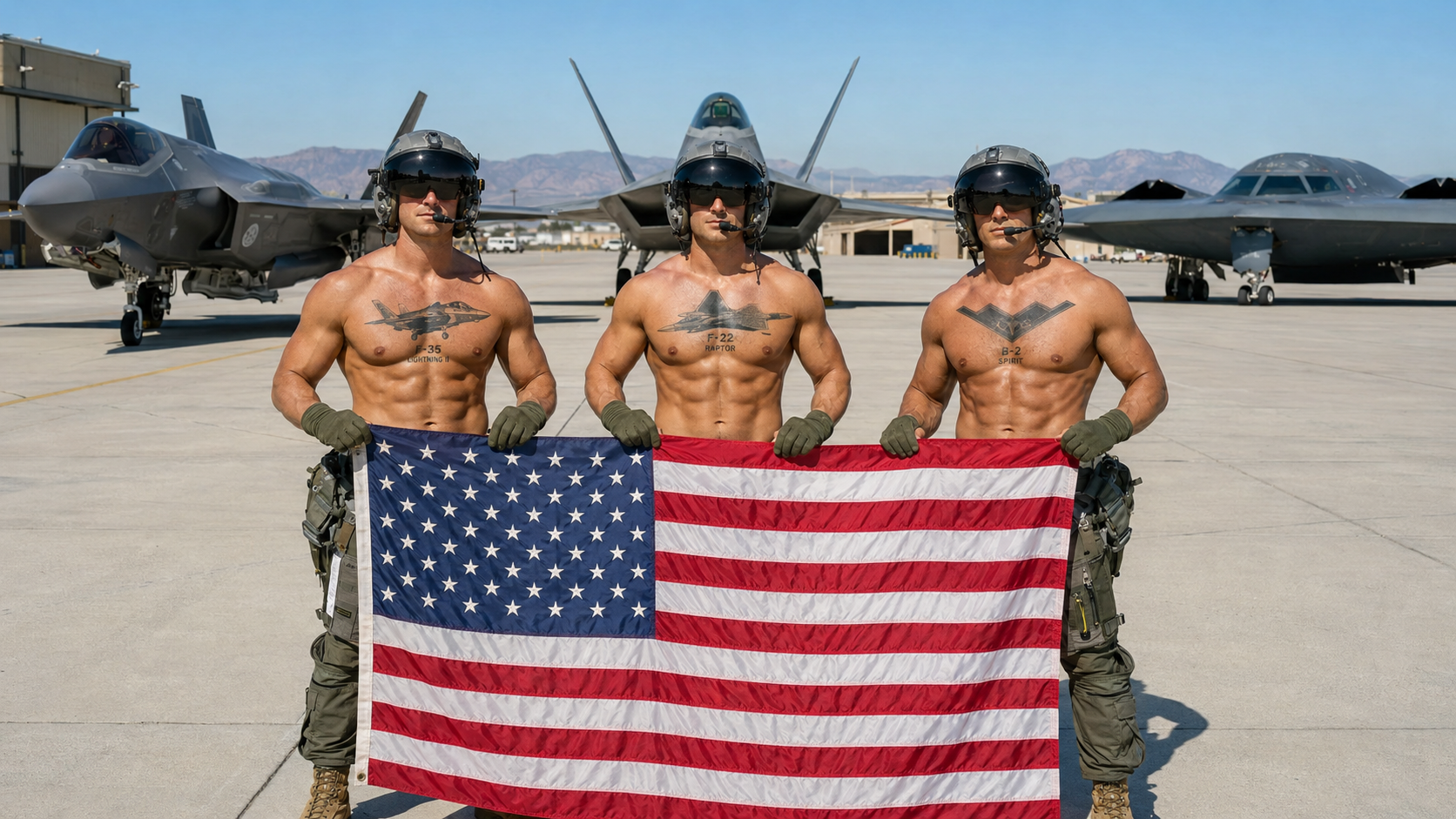
Wings of Power: Inside the Extraordinary World of U.S. Military Pilots

When most people imagine a military pilot, they picture a lone ace tearing through the sky at supersonic speed. The reality is even more impressive.
A U.S. military pilot is not just a person flying a fighter jet. They are the human centerpiece of one of the most advanced military systems ever created—a system that combines stealth aircraft, satellites, radar, artificial intelligence, electronic warfare, aerial refueling tankers, intelligence analysts, and thousands of highly trained support personnel.
Their true power lies not only in their skill, but in their ability to make life-or-death decisions in seconds while commanding technology worth hundreds of millions of dollars.
You May Also Like
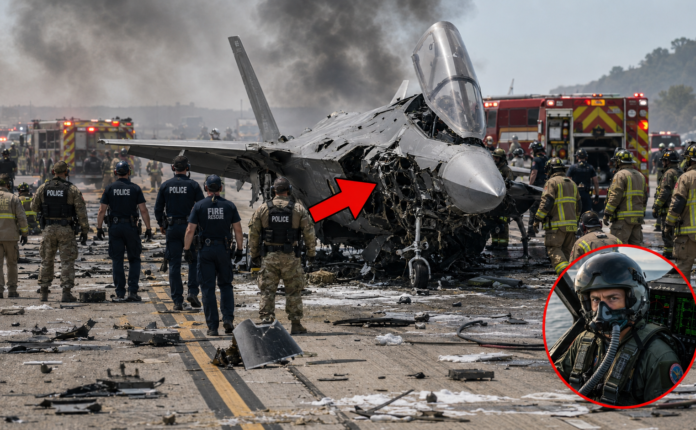
In the sky, they are warriors.
On the ground, they are leaders.
And behind every sortie is an entire nation’s industrial and technological might.
The Pilot Is Only the Tip of the Spear


A U.S. fighter pilot may sit alone in the cockpit, but they never fight alone.
Every combat mission depends on:
- Intelligence analysts identifying threats
- Maintainers preparing the aircraft
- Weapons crews loading missiles and bombs
- Tanker crews providing fuel in the air
- AWACS aircraft managing the battle
- Cyber teams defending networks
- Satellites relaying data around the globe
The pilot is the visible symbol of power, but the true strength is the vast system supporting them.
That is what makes American airpower so formidable.
Flying the Most Advanced Fighters on Earth


The F-22 Raptor is designed for one purpose: total air dominance.
It combines:
- Stealth technology
- Supercruise (supersonic flight without afterburners)
- Extreme maneuverability
- Advanced radar and sensors
- Internal weapons bays to preserve stealth
The Air Force describes the F-22 as unmatched by any known operational fighter.
A single F-22 pilot can detect, track, and destroy enemy aircraft before the enemy even knows the Raptor is there.
The F-35: The Pilot as a Battlefield Commander


The F-35A Lightning II is more than a fighter jet—it is a flying command center.
Its greatest strength is sensor fusion.
The aircraft merges data from radar, infrared cameras, satellites, and friendly aircraft into one clear picture displayed on the pilot’s helmet.
The result: the pilot sees the battlefield with extraordinary clarity.
In many ways, an F-35 pilot functions less like a traditional aviator and more like an airborne battle manager.
Decision-Making at 9 Gs


Combat aviation is one of the most demanding jobs in the world.
A pilot may be simultaneously:
- Flying at hundreds of miles per hour
- Pulling up to 9 times the force of gravity
- Monitoring radar and missile warnings
- Communicating with multiple units
- Identifying threats
- Following strict rules of engagement
The aircraft is incredibly sophisticated, but the decisive factor remains the human mind.
Victory often comes down to who can process information and make the best decision first.
Becoming a U.S. Military Pilot


The journey begins with fierce competition.
Candidates must:
- Become commissioned officers
- Meet strict medical and physical standards
- Complete Undergraduate Pilot Training
- Earn aircraft assignments based on performance
- Complete advanced operational training
The training pipeline typically takes two to three years before a pilot reaches a frontline squadron.
After earning their wings, Air Force pilots commit to 10 years of active duty service.
The government invests millions of dollars in each pilot, making them among the most valuable military assets in the world.
What U.S. Military Pilots Earn


Military pilots are paid as officers. Compensation depends primarily on rank and years of service, with additional allowances and bonuses.
Typical Total Compensation
| Career Stage | Estimated Annual Compensation |
|---|---|
| Newly qualified pilot | $70,000–$110,000 |
| Mid-career pilot | $120,000–$180,000+ |
| Senior pilot/commander | $180,000–$220,000+ |
This includes:
- Basic pay
- Housing allowance
- Food allowance
- Aviation incentive pay
- Bonuses
- Tax advantages
While military salaries are substantial, many pilots remain motivated by service, challenge, and purpose rather than money alone.
The Airline Career Advantage


Military pilots are highly sought after by commercial airlines.
According to the U.S. Bureau of Labor Statistics, airline pilots had a median annual wage of over $226,000 in recent data.
Military experience provides:
- Thousands of flight hours
- Leadership under pressure
- Advanced instrument flying skills
- Exceptional safety discipline
For many aviators, military service becomes the launchpad to an outstanding civilian career.
Fascinating Facts About U.S. Military Pilots


- An F-22 can carry six AIM-120 AMRAAM missiles and two AIM-9 Sidewinder missiles internally.
- F-35 pilots can see through the aircraft using helmet-mounted displays.
- Some missions involve more than a dozen supporting aircraft.
- Pilots train constantly to maintain combat readiness.
- Every sortie can involve hundreds of personnel.
The Weight of the Profession

The glamour of military aviation comes with real sacrifice.
Pilots endure:
- Grueling training
- Frequent deployments
- Family separation
- Continuous evaluation
- Significant operational risk
They are entrusted with national security and the lives of fellow service members.
The pressure is immense, and the standards are unforgiving.
The Ultimate Truth About American Airpower


The world’s most powerful fighter jet is only as effective as the person in the cockpit.
And the world’s best pilot is only as effective as the system supporting them.
That is the secret of U.S. military aviation.
It is not just about speed, stealth, or firepower.
It is about disciplined people, extraordinary training, and a national network designed to give one pilot an overwhelming advantage.
When an American military pilot takes off, they carry far more than weapons.
They carry the full weight of American technology, strategy, and resolve.