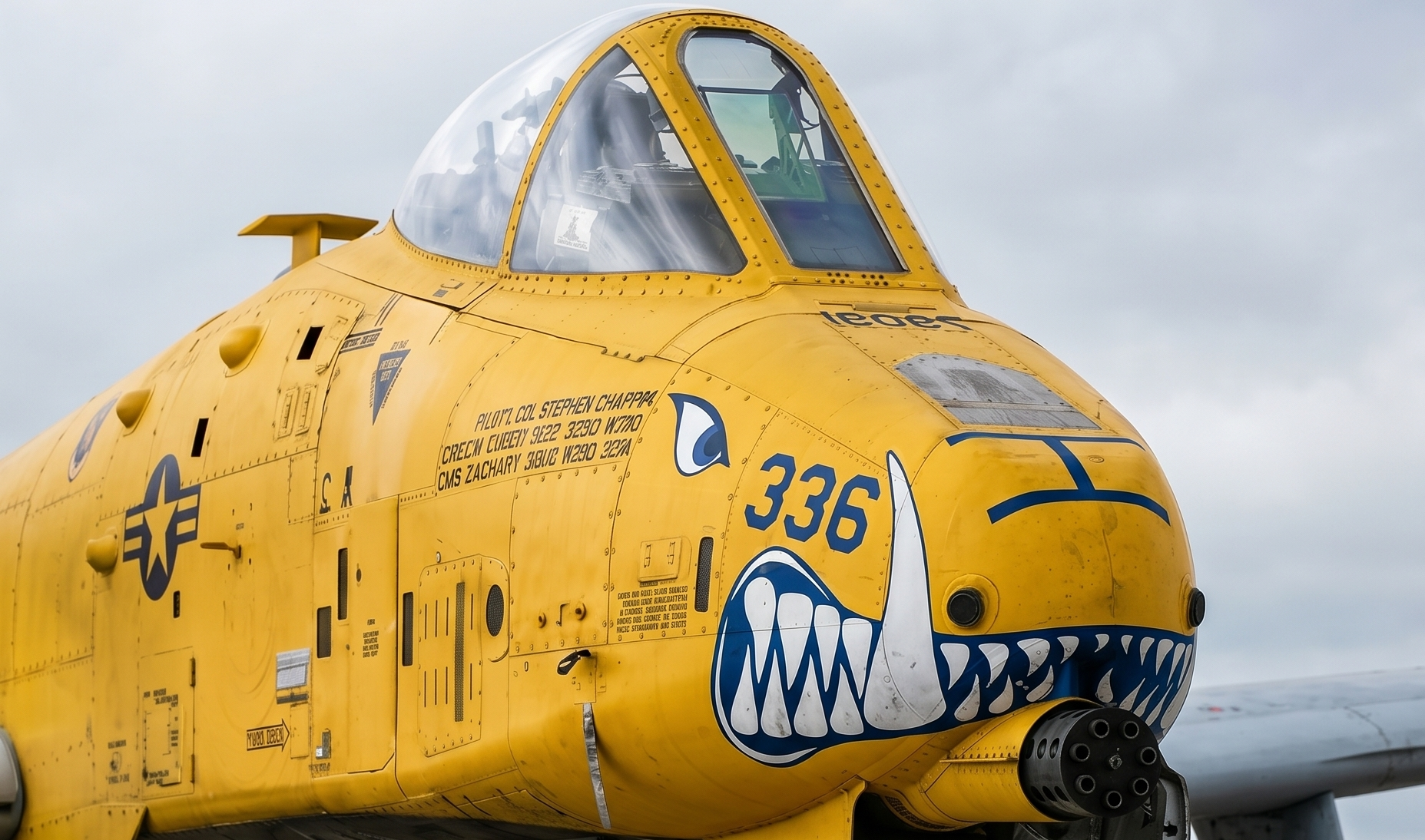
THE WARTHOG REFUSES TO DIE
A Three-Part Debate Story About the A-10, the F-35, Drone Warfare, and the Future of Close Air Support
Main Characters
Professor Elias Morgan
A military aviation scientist and former aircraft survivability researcher. He believes the A-10 Thunderbolt II is old, slow, and unsuited for a future battlefield filled with advanced missiles, stealth fighters, artificial intelligence, and drones. To him, keeping the A-10 alive is emotional nostalgia disguised as strategy.
Professor Helena Cross
A defense technology professor and former adviser on close air support doctrine. She believes the A-10 is old, yes, but not obsolete. To her, the Warthog has survived because it solves a problem no glamorous stealth fighter has fully replaced: cheap, rugged, persistent battlefield support.
Setting
The Grand Hall of the International Airpower Symposium.
You May Also Like
Behind the speakers is a huge screen showing two aircraft.
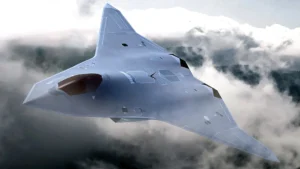
On one side: the sleek, angular F-35 Lightning II, dark and futuristic, almost alien.
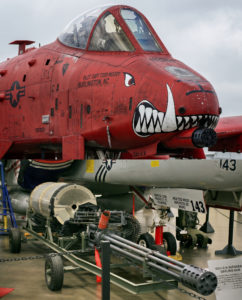
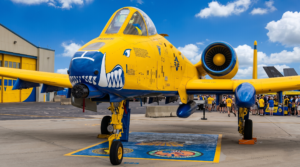
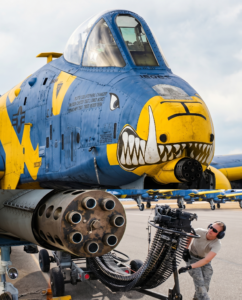
On the other: the blunt, scarred, ugly-beautiful A-10 Thunderbolt II, its famous cannon visible beneath its nose.
Above them is a question:
“WHY IS THE US AIR FORCE CUTTING HALF ITS A-10 FLEET — BUT REFUSING TO KILL IT ENTIRELY?”
A crowd of pilots, engineers, soldiers, journalists, students, and military historians waits in silence.
The moderator steps forward.
PART ONE: THE AIRPLANE THAT WOULD NOT DIE
Moderator:
Ladies and gentlemen, tonight we discuss one of the strangest survival stories in modern military aviation: the A-10 Thunderbolt II, better known as the Warthog. For decades, the US Air Force has tried to retire it. For decades, it has survived. Now the Air Force is cutting the fleet dramatically, but still keeping a small number alive until around 2030. Why? Is this wisdom, weakness, politics, or proof that the old beast still has teeth?
Professor Morgan looks at the A-10 image and smiles thinly.
Professor Morgan:
The A-10 is not immortal. It is just very difficult to kill politically.
Professor Cross:
That is a good opening insult. But it is incomplete.
Morgan:
Incomplete? Helena, the A-10 has been living on borrowed time for years. It is slow. It is non-stealthy. It was designed for a Cold War battlefield, not a sky full of modern surface-to-air missiles, electronic warfare, and advanced fighters.
Cross:
And yet, here we are, still debating it.
Morgan:
Because people love it.
Cross:
No. Because soldiers trust it.
Morgan:
That is emotion.
Cross:
Trust earned in combat is not mere emotion.
The crowd murmurs. Several old pilots in the back nod.
Morgan:
Let me be blunt. The A-10 is a magnificent aircraft for a battlefield that no longer exists. It was built to destroy Soviet tanks pouring through Europe. It was designed to fly low, take punishment, and use that massive GAU-8 Avenger cannon to tear armored vehicles apart. That was its legend.
Cross:
And legends do not appear from nothing.
Morgan:
True. But legends can outlive their usefulness.
Cross:
So can theories.
Morgan:
The future of airpower is stealth, networking, stand-off weapons, drones, artificial intelligence, and distributed targeting. The A-10 belongs to the age of pilots flying low and slow over the battlefield, close enough to see smoke and danger. That age is closing.
Cross:
Closing, perhaps. Closed, no.
Morgan:
Then explain why the Air Force is cutting the fleet nearly in half.
Cross:
Because the Air Force is trying to manage a transition. It wants to free money, pilots, maintainers, and infrastructure for newer aircraft. Nobody denies that. The A-10 fleet is old. Its wings, engines, avionics, and support systems require money. The Air Force does not want to preserve it forever.
Morgan:
Exactly.
Cross:
But the interesting part is not that the Air Force wants to cut it. The interesting part is that it still refuses to kill it entirely.
Morgan:
Because Congress, pilots, and ground troops keep rescuing it.
Cross:
And because recent combat has reminded planners that old aircraft can find new missions.
Morgan:
You mean the anti-drone mission.
Cross:
Yes. The Warthog may no longer be the future of deep strike, but it may still be useful as a low-cost, persistent hunter of slow-moving drones, small boats, and battlefield threats in permissive or semi-permissive airspace.
Morgan:
That is a very narrow defense.
Cross:
Sometimes narrow usefulness is still usefulness.
Morgan:
But should a modern air force keep an entire aircraft type alive for narrow usefulness?
Cross:
It depends on the cost of not having it.
Morgan folds his arms.
Morgan:
Fine. Let us talk cost. The A-10 fleet is shrinking. The numbers tell the story. In this proposed structure, the total inventory drops from around 162 aircraft in 2025 to roughly 103 in 2026, and then to only 54 by 2027. Mission-ready aircraft fall from about 140 to 93 to around 45. That is not a revival. That is a controlled decline.
Cross:
Yes. But not an execution.
Morgan:
A delayed execution.
Cross:
Or a battlefield compromise.
Morgan:
You are making retirement sound like reincarnation.
Cross:
And you are making transition sound like murder.
The audience laughs.
Morgan:
The Air Force has been clear for years. It wants the F-35 and other platforms to take over missions once associated with the A-10. The F-35 can sense, connect, survive, and strike in contested airspace. It can share data with other aircraft, ships, ground systems, and command networks. That is the future.
Cross:
The F-35 is extraordinary. But it is not a Warthog.
Morgan:
Thank God.
Cross:
That joke works until you are a soldier on the ground asking for close air support and the only aircraft overhead is too expensive, too fast, too maintenance-sensitive, or too limited in weapons load to spend hours hunting small threats.
Morgan:
That is an old romantic image: the soldier calling for the A-10 like a guardian angel.
Cross:
It is old because it happened often enough to matter.
Morgan:
But future close air support will not work that way. It will be sensor-driven. Troops will request effects, not aircraft. A target may be serviced by a drone, artillery, missile, F-35, F-15EX, bomber, or loitering munition. The aircraft overhead will not need to be a flying tank.
Cross:
That is the dream.
Morgan:
It is the direction.
Cross:
Dreams are clean. Battlefields are messy.
Morgan:
And the A-10 is supposed to solve messiness?
Cross:
Sometimes, yes. That is the entire point.
The First Big Question
Morgan:
Let me ask you directly, Helena. If you were building an air force from scratch today, would you design a new A-10?
Cross pauses.
Cross:
Not exactly.
Morgan smiles.
Morgan:
There it is.
Cross:
Do not celebrate too early. I would not design the same A-10 because technology has changed. But I might design something inspired by it: rugged, persistent, cheap to operate, heavily armed, optimized for lower-threat environments, able to hunt drones, support troops, strike small boats, and carry lots of low-cost weapons.
Morgan:
So not an A-10.
Cross:
An A-10 philosophy.
Morgan:
That sounds like nostalgia with a design office.
Cross:
No. It sounds like recognizing that not every war is fought against a first-class air defense network. Sometimes the enemy is launching cheap drones, fast boats, rockets, or militia attacks. Using million-dollar missiles and stealth fighters for every low-end threat is economically insane.
Morgan:
Now we are getting to the real issue: cost exchange.
Cross:
Exactly.
Morgan:
You are saying the A-10 survives because the world has become full of cheap threats.
Cross:
Yes. Cheap drones have changed the math. If an enemy launches a low-cost one-way attack drone, and you shoot it down with a missile costing hundreds of thousands or more than a million dollars, you may win tactically but lose economically.
Morgan:
That is true.
Cross:
The A-10 carrying APKWS-guided rockets changes that equation. A guided rocket may cost tens of thousands, not millions. The aircraft can carry many of them. It can loiter. It can hunt slow-moving targets. It can defend bases, ships, troops, and facilities against drone threats without burning through high-end missile stocks.
Morgan:
That is the strongest argument for keeping it.
Cross:
Then say it clearly.
Morgan:
Fine. The A-10 may still have value as a budget air defense and battlefield support platform in permissive environments.
Cross:
That was painful for you, I can tell.
Morgan:
Deeply.
Cross:
Good.
PART TWO: THE WARTHOG FINDS A NEW WAR
The screen changes.
Now it shows an A-10 flying low over desert terrain, rocket pods under its wings. Beside it, a graphic appears: APKWS II — Advanced Precision Kill Weapon System.
Moderator:
Let us turn to the A-10’s new role. Recent operations have reportedly shown the aircraft’s usefulness against drones and small maritime threats. Professor Cross, why does this matter?
Cross:
Because the A-10 has found a new job at the exact moment its old job was being declared dead.
Morgan:
That sounds poetic, but explain it technically.
Cross:
Gladly. The A-10 was originally famous for close air support and tank killing. But now it is being used in ways that fit a new kind of conflict: drone hunting, maritime strike, base defense, convoy support, and combat search and rescue cover. It is not the best aircraft for every mission, but it is very good at staying around, carrying useful weapons, and operating in ugly environments.
Morgan:
Ugly environments, yes. Contested environments, no.
Cross:
Important distinction. The A-10 should not be sent into dense modern air defenses. I am not arguing that. But not every airspace is dense with advanced missiles. There are gray zones, rear areas, maritime approaches, border regions, militia-threat areas, and drone corridors.
Morgan:
So you want the A-10 as a kind of armed patrol aircraft.
Cross:
Partly. A heavily armed, survivable, persistent patrol and support aircraft.
Morgan:
That sounds less glamorous than the legend.
Cross:
Good. Glamour kills budgets and pilots.
Morgan:
Now you sound like me.
Cross:
Do not insult me.
The audience laughs again.
Morgan:
Let us talk APKWS. This is where the A-10 argument becomes interesting. Hydra 70 rockets were once unguided. Add a laser-guidance kit, and now you have a precision weapon. Originally, this was mostly an air-to-ground tool. But adapted for air-to-air use against drones, it becomes a relatively cheap way to kill slow aerial targets.
Cross:
Exactly.
Morgan:
The A-10 does not have an internal radar like a fighter. So it needs targeting pods, external data links, ground control, or other sensors to help find and identify drones.
Cross:
Correct.
Morgan:
That is a limitation.
Cross:
Yes, but not a fatal one. Modern warfare is networked. The A-10 does not need to discover every target alone. It can receive data from ground radars, other aircraft, ships, surveillance systems, or command networks. Once cued, it can use its targeting pod and laser-guided rockets to engage.
Morgan:
And because a rocket pod can carry multiple rockets, one hardpoint gives it far more shots than a single air-to-air missile.
Cross:
Exactly. That is the flying magazine argument. A fighter carrying expensive missiles may run out quickly. An A-10 with rocket pods can carry many lower-cost interceptors for slower threats.
Morgan:
But the F-15E or F-15EX can also carry many munitions. Some concepts even allow multiple rocket pods on heavy aircraft.
Cross:
Yes. The A-10 is not the only possible APKWS truck. But it is already built, already rugged, already designed to loiter, and already good at low-altitude work.
Morgan:
You are arguing for practicality.
Cross:
Yes. The A-10 is not surviving because it is futuristic. It is surviving because certain problems are brutally practical.
The Drone Cost Trap
Morgan:
Let us discuss the cost-exchange problem. This is the nightmare facing modern militaries. If an enemy can build or buy one-way attack drones cheaply, and you intercept them with scarce, expensive missiles, you may be strategically drained.
Cross:
Exactly. You cannot defend a nation or military base forever by firing million-dollar weapons at cheap flying lawnmowers.
Morgan:
A brutal phrase, but accurate.
Cross:
It is not just about money. It is also about production. Advanced interceptors are hard to build. Patriot missiles, THAAD interceptors, AMRAAMs, naval interceptors — these are not simple items. If a conflict burns through them faster than factories can replace them, the arsenal becomes the battlefield.
Morgan:
That is a major lesson of modern war. Munitions stockpiles matter. Industrial capacity matters. The cheapest weapon that works may be strategically better than the most advanced weapon used unnecessarily.
Cross:
And this is where the A-10 returns from the grave. It can carry relatively inexpensive weapons against relatively inexpensive threats. It can help save high-end missiles for high-end targets: fighters, cruise missiles, ballistic missiles, and advanced aircraft.
Morgan:
But would you really put an A-10 up against a large drone swarm?
Cross:
Not alone.
Morgan:
There it is.
Cross:
No aircraft should face a swarm alone. The solution is layered defense: radar, jamming, guns, missiles, directed energy where available, drones, fighters, and aircraft like the A-10 carrying low-cost interceptors.
Morgan:
So the A-10 becomes one layer.
Cross:
Yes. That is a realistic role.
Morgan:
Not the star of the future battlefield.
Cross:
No. But not scrap metal either.
Morgan:
That may be the best summary of your argument.
Cross:
Thank you.
Morgan:
I still dislike it.
Cross:
I expected nothing less.
The “Glass Cannon” Debate
The moderator leans forward.
Moderator:
Some analysts describe the F-35 as a kind of “glass cannon” compared with the A-10. Is that fair?
Morgan’s eyes narrow.
Morgan:
It is catchy and misleading.
Cross:
It is emotionally effective, but technically incomplete.
Moderator:
Explain.
Morgan:
A glass cannon is something powerful but fragile. The F-35 is not fragile in the simplistic sense. It survives by not being detected, by reducing enemy awareness, by using sensors and stealth to strike before being struck. Its survivability is not based on armor. It is based on information, signature management, electronic warfare, and tactics.
Cross:
That is true.
Morgan:
The A-10 survives differently. It has armor, redundant systems, widely spaced engines, manual reversion, and a design philosophy that expects damage. It is physically tough.
Cross:
Very tough.
Morgan:
But toughness is not the same thing as survivability against modern air defenses. A slow aircraft can be rugged and still be dead if placed in the wrong sky.
Cross:
Agreed.
Moderator:
Professor Cross, then why does the glass cannon idea persist?
Cross:
Because people understand physical damage better than invisible survivability. If an A-10 comes home with holes in it, the story is obvious: “This aircraft is tough.” If an F-35 avoids being targeted because of stealth and electronic warfare, there may be no dramatic picture. Survival without scars is harder to mythologize.
Morgan:
That is a very good point.
Cross:
But the F-35 also has vulnerabilities. Its stealth coating, sensors, and electronics are sophisticated. Damage that an A-10 might shrug off could be more expensive or mission-limiting for a stealth fighter. You do not want to use an F-35 as a low-altitude drone shooter if a cheaper, rougher tool can do it.
Morgan:
That I accept. Using F-35s for every low-end mission is like using a surgeon’s scalpel to open a paint can.
Cross:
Exactly.
Morgan:
But sometimes you need the scalpel.
Cross:
And sometimes you need the paint can opened.
The audience laughs.
The Ghost Stories of the Warthog
The screen changes again.
Now it shows battle-damaged A-10s.
A hush falls over the room.
Moderator:
The A-10’s reputation is built partly on survival stories. Professor Cross, why do these stories matter?
Cross:
Because aircraft are not judged only by performance charts. They are judged by what happens when everything goes wrong.
Morgan:
The A-10 has extraordinary stories. I will grant that.
Cross:
Captain Kim Campbell’s 2003 incident is one of the most famous. Her A-10 was hit over Baghdad by a surface-to-air missile. The aircraft suffered severe tail and hydraulic damage. She had to use manual reversion, a mechanical backup system, and fly the damaged aircraft back to base with very limited control.
Morgan:
A remarkable feat of piloting.
Cross:
More than remarkable. It shows the design philosophy of the aircraft. The A-10 expected damage. It had backups. It could be wrestled home.
Morgan:
But let us not confuse heroic survival with proof of future relevance. A knight surviving an arrow does not make armor superior to modern tactics.
Cross:
True. But survivability matters in the missions the A-10 still performs.
Morgan:
Yes, in permissive or semi-permissive environments.
Cross:
You keep repeating that phrase as if I disagree.
Morgan:
Because people listening may forget it.
Cross:
Fair.
Morgan:
The A-10’s survival stories are real. But they come from environments where it could still operate. Against modern integrated air defense systems, toughness may not be enough. A missile does not care about nostalgia.
Cross:
No, but soldiers care about aircraft that stay overhead. That is the emotional core of the A-10 debate.
Morgan:
Emotion again.
Cross:
Doctrine without human experience becomes sterile. Ask ground troops what they want overhead when they are pinned down. Many will say A-10, not because they read procurement tables, but because the aircraft became associated with presence, sound, and rescue.
Morgan:
The famous BRRRRT.
Cross:
Yes. The sound of the GAU-8 cannon became psychological warfare for the enemy and psychological comfort for friendly troops.
Morgan:
But sound is not strategy.
Cross:
No. But morale is not meaningless.
Morgan:
I concede that.
Cross:
Careful, Elias. You are becoming reasonable.
Morgan:
I will recover.
PART THREE: THE FUTURE OF CLOSE AIR SUPPORT
The screen now shows a future battlefield.
F-35s fly high and silent.
F-15EX aircraft carry large missile loads.
Drones orbit in packs.
Ground troops mark targets with digital systems.
Satellites pass overhead.
A small A-10 silhouette appears at the edge of the image, almost like a ghost.
Moderator:
Now we reach the central question. If the A-10 is being cut but not killed, what does that tell us about the future of close air support?
Morgan:
It tells us the Air Force is caught between the past and the future.
Cross:
Or between theory and reality.
Morgan:
Future close air support will not depend on one aircraft type. It will be a network. Ground troops request an effect. Sensors identify targets. Artificial intelligence helps prioritize. The best available shooter responds: drone, artillery, missile, fighter, bomber, attack helicopter, or loitering munition.
Cross:
That is the vision.
Morgan:
It is more than a vision. It is already happening.
Cross:
Partly.
Morgan:
The F-35 is central because it is not just a fighter. It is a sensor node. It can detect, classify, and share information. It can designate targets for other platforms. It can operate in places where an A-10 should never go.
Cross:
Yes. The F-35 is a better aircraft for contested airspace.
Morgan:
Then why hold onto the A-10?
Cross:
Because contested airspace is not the only airspace.
Morgan:
You keep returning to that.
Cross:
Because it is the point everyone forgets. A future war may have many zones. Some areas will be deadly to any non-stealth aircraft. Others will be messy but survivable. Some will involve drone attacks on bases. Some will involve militia groups. Some will involve maritime harassment. Some will involve search and rescue. Some will involve low-cost threats where using high-end assets is wasteful.
Morgan:
So you want an air force with high-low balance.
Cross:
Exactly. High-end stealth and networked aircraft for the hardest missions. Lower-cost, rugged, persistent aircraft for missions where stealth is unnecessary or wasteful.
Morgan:
But the A-10 is old. Even if your concept is right, why not replace it with a new platform?
Cross:
That is the painful question.
Morgan:
Answer it.
Cross:
Because the Air Force has never loved the A-10’s mission enough to build a true successor.
The audience reacts loudly.
Morgan points at her.
Morgan:
Now that is the most important sentence of the night.
Cross:
The Air Force loves air superiority, stealth, speed, strategic strike, and advanced technology. Close air support has always been politically and culturally complicated. The A-10 survived because ground troops valued it, Congress defended it, and no perfect replacement appeared.
Morgan:
So the A-10’s survival is partly an indictment of planning.
Cross:
Yes.
Morgan:
You admit that?
Cross:
Of course. If the Air Force had developed a modern, affordable, survivable, persistent close-support and counter-drone platform, we might not be having this debate.
Morgan:
Instead, we have a Cold War attack jet being repurposed to fight drones.
Cross:
Exactly. Strange? Yes. Useless? No.
The F-35 Question
Morgan:
Let us address the F-35 directly. Critics say it cannot replace the A-10 in close air support. I think that statement is too simple. The F-35 does not replace the A-10 by becoming the A-10. It replaces part of the mission by changing how the mission is done.
Cross:
That is fair.
Morgan:
The F-35 can find targets, share data, coordinate strikes, survive in contested airspace, and pass targeting information to other shooters. It does not need to fly low and slow with a cannon to support ground troops.
Cross:
In a perfect network, yes.
Morgan:
Why do you say perfect network as if it is fantasy?
Cross:
Because networks fail. Links jam. Weather interferes. Troops move. Targets hide. Civilians appear. Friendly units get too close. Sometimes a pilot overhead, watching and talking directly with ground controllers, matters.
Morgan:
The F-35 can talk too.
Cross:
Yes, but it carries fewer weapons for some CAS situations, has higher operating costs, and is more precious. Commanders may hesitate to use it for routine low-end support.
Morgan:
So you are not saying the F-35 cannot do CAS.
Cross:
No. I am saying it cannot economically and culturally replace everything the A-10 represents.
Morgan:
Culturally?
Cross:
Yes. Culture matters. Ground forces want aircraft that are available, responsive, persistent, and trusted. If a platform is too scarce, too expensive, or too tied to high-end missions, it may not feel available, even if technically capable.
Morgan:
That is a good distinction.
Cross:
Thank you.
Morgan:
I hate that I keep saying that.
Cross:
You are growing.
The Unmanned Replacement
Moderator:
Could drones replace the A-10?
Morgan:
Eventually, yes.
Cross:
Eventually, perhaps. But not automatically.
Morgan:
An unmanned close air support aircraft could loiter for hours, carry precision weapons, avoid risking pilots, and operate in teams. In theory, it could do much of what the A-10 does at lower risk.
Cross:
In theory.
Morgan:
You dislike theory.
Cross:
No, I dislike pretending theory has already passed its flight test.
Morgan:
A drone replacement could be rugged, cheap, modular, and persistent.
Cross:
Then build it.
Morgan:
That is what the future should do.
Cross:
Agreed. But until then, the A-10 remains a bridge.
Morgan:
A bridge to what?
Cross:
To a world where close air support is performed by a mix of drones, manned aircraft, artillery, missiles, and autonomous systems.
Morgan:
Then the A-10 is not the future.
Cross:
No. It is a useful survivor of the present.
Morgan:
That is a modest defense.
Cross:
Modest defenses are often more honest.
The Brutal Budget Question
Morgan:
Let me ask the question no one likes. Every dollar spent keeping the A-10 alive is a dollar not spent elsewhere. New aircraft, pilot training, drone systems, electronic warfare, missile production, base defense, cyber resilience. Is the Warthog worth the opportunity cost?
Cross:
Only if its remaining squadrons perform missions that would otherwise consume more expensive resources.
Morgan:
So it must justify itself economically.
Cross:
Absolutely.
Morgan:
No sentimental protection?
Cross:
None.
Morgan:
No keeping it alive because people love the sound of the cannon?
Cross:
No.
Morgan:
No museum-in-the-sky argument?
Cross:
No.
Morgan:
Then what is the standard?
Cross:
Simple: if the A-10 can perform real missions at lower cost, with acceptable risk, while preserving high-end assets and munitions for more dangerous threats, keep a small number. If it cannot, retire it.
Morgan sits back.
Morgan:
That is hard to attack.
Cross:
Because it is not romantic.
Morgan:
It is almost cold.
Cross:
Good strategy often is.
The Human Side
The moderator’s tone softens.
Moderator:
Before final statements, I want to ask about the human element. Why does this aircraft inspire such loyalty?
Cross answers first.
Cross:
Because the A-10 was built around a promise: stay with the troops. It was not sleek. It was not glamorous. It was not designed to win beauty contests or dominate air shows. It was designed to appear when people on the ground were in trouble. That gives it a different emotional meaning.
Morgan:
I agree. The A-10 is loved because it feels personal. Strategic bombers are abstract. Stealth fighters are mysterious. The A-10 is visible, audible, direct. Soldiers hear it. Enemies fear it. Pilots wrestle it. Maintainers patch it. It feels like a machine with scars.
Cross:
That was almost poetic.
Morgan:
Do not tell anyone.
Cross:
Too late.
Morgan:
But affection must not control force planning. Many beloved weapons become obsolete.
Cross:
Yes.
Morgan:
The horse was beloved. The battleship was beloved. The propeller fighter was beloved. Love does not stop missiles.
Cross:
But neither should fashion kill usefulness.
Morgan:
Meaning?
Cross:
Militaries sometimes chase the future so aggressively that they discard tools still useful in the present. The A-10 debate is not only about nostalgia. It is also about whether defense planners sometimes become embarrassed by simple, ugly, effective things.
Morgan:
Ugly effectiveness.
Cross:
Exactly.
Morgan:
That should be the A-10’s motto.
Cross:
It practically is.
FINAL STATEMENTS
The lights narrow on the two professors.
The room grows quiet.
Moderator:
Professor Morgan, your final statement.
Morgan:
The A-10 Thunderbolt II deserves respect. It is one of the most iconic combat aircraft ever built. It protected troops, survived damage that would have killed other aircraft, and became a symbol of close air support. But respect is not the same as future relevance.
He turns toward the screen.
Morgan:
The Air Force is cutting the fleet because the A-10 cannot survive in the most dangerous future battlefields. It lacks stealth. It lacks speed. It lacks the sensor fusion and networking of fifth-generation aircraft. Against advanced air defenses, it is vulnerable. The future belongs to systems that can operate across networks, share data instantly, use unmanned partners, and strike from stand-off distances.
He pauses.
Morgan:
But the Air Force refuses to kill it entirely because the future has arrived unevenly. Cheap drones, militia threats, maritime swarms, and low-cost attacks have created missions where a rugged, heavily armed, persistent aircraft still makes sense. So the A-10 is not being saved as the future. It is being retained as a tool for the gaps the future has not yet filled.
He looks at Cross.
Morgan:
My conclusion is simple: keep it only as long as it solves real problems better and cheaper than alternatives. Then let it go with honor.
The audience applauds.
Moderator:
Professor Cross, your final statement.
Cross:
The A-10 is old. No honest defender should deny that. It is not stealthy. It is not fast. It should not be thrown into advanced air defense networks. It is not a magical aircraft. It is not immortal.
She leans forward.
Cross:
But it is useful. And usefulness is the most underrated word in defense debates.
The audience quiets.
Cross:
The Warthog survives because war keeps producing ugly jobs. Drone hunting. Base defense. Close support in messy environments. Maritime strikes against small boats. Combat search and rescue cover. Low-cost attacks that should not be answered with million-dollar missiles. In those jobs, the A-10’s persistence, weapons capacity, ruggedness, and operating logic still matter.
She gestures toward the F-35 image.
Cross:
The F-35 is extraordinary. It represents the future of high-end air warfare. But the future is not made only of high-end threats. Sometimes the problem is a cheap drone, a militia convoy, a fast boat, or soldiers pinned down in dust and smoke. Sometimes the perfect answer is not the most advanced aircraft. Sometimes it is the aircraft already overhead, carrying the right weapon, at the right cost, with a pilot who knows how to stay.
She pauses.
Cross:
So why is the Air Force cutting half the A-10 fleet but refusing to kill it entirely? Because the Warthog is no longer central — but it is not yet useless. It is a bridge between the wars we planned for and the wars we actually face.
The applause rises louder this time.
EPILOGUE: AFTER THE STAGE LIGHTS
After the debate, the crowd slowly leaves. A few pilots remain near the stage, looking at the image of the A-10.
Professor Morgan and Professor Cross stand alone beneath the screen.
Morgan:
You know it still has to die eventually.
Cross:
Everything does.
Morgan:
That is cheerful.
Cross:
I am a defense professor. Cheerfulness is not my strongest subject.
Morgan:
Do you think the last A-10 pilot will feel betrayed?
Cross:
No. I think the last A-10 pilot will understand something others may not.
Morgan:
What?
Cross:
That an aircraft does not need to live forever to have mattered.
Morgan looks up at the Warthog’s blunt nose and heavy cannon.
Morgan:
It is an ugly thing.
Cross:
Yes.
Morgan:
A very effective ugly thing.
Cross:
Exactly.
Morgan:
The future will not be kind to aircraft like that.
Cross:
Maybe not. But the present still has work for it.
For a moment, neither speaks.
On the screen, the F-35 looks like the future.
The A-10 looks like a survivor.
And between them lies the real problem of modern war:
Not choosing old or new.
Not choosing stealth or armor.
Not choosing drones or pilots.
Not choosing beauty or brutality.
But choosing the right tool before the wrong war begins.
Closing Reflection
The A-10 is being cut because it is old, vulnerable in high-threat airspace, and expensive to maintain as a shrinking legacy fleet.
But it is not being killed entirely because it still answers problems that modern war keeps producing:
cheap drones,
small boats,
militia threats,
low-cost attacks,
close air support,
combat rescue,
and the need to save expensive missiles for more dangerous enemies.
The F-35 may represent the future of airpower.
But the A-10 represents a stubborn lesson:
Not every future problem requires the most futuristic solution.
Sometimes the future arrives with stealth fighters and artificial intelligence.
And sometimes it arrives as a slow drone that needs to be shot down cheaply.
That is why the Warthog is being reduced, but not erased.
It is no longer the king of close air support.
But it is still the old beast standing at the edge of the runway, engines growling, cannon ready, refusing to die before its final mission is done.




One Comment on “THE WARTHOG REFUSES TO DIE – “WHY IS THE US AIR FORCE CUTTING HALF ITS A-10 FLEET — BUT REFUSING TO KILL IT ENTIRELY?””