In every era of history, powerful men have shaped the future not only through weapons and wealth — but through ideas.
And when one of the richest and most influential people on Earth begins speaking about war as a “cleansing function” for society, the world should pay attention.
Not because war is new.
But because history repeatedly shows what happens when powerful individuals start viewing conflict not as tragedy, but as renewal.
You May Also Like




Recently, Elon Musk suggested that long periods of peace and prosperity weaken civilizations. Referencing the decline of the Roman Empire, Musk argued that societies without “existential war” eventually become burdened by low birth rates, excessive regulations, and cultural stagnation.
His comments shocked many people.
But they also revealed something deeper:
a growing fascination among certain modern elites with the idea that hardship, conflict, or even war can somehow “reset” civilization.
That idea is not only dangerous.
It is one of the oldest and most destructive myths in human history.
War Has Never Been A Cleansing Force For Ordinary People
From a distance, wars are often described with grand language:
glory,
renewal,
national destiny,
civilizational rebirth.
But for ordinary people, war has almost never looked like that.
War means:
- burned cities,
- shattered families,
- dead children,
- economic collapse,
- trauma that lasts generations,
- and societies struggling to rebuild long after politicians and billionaires move on.
The idea that war “strengthens” civilization often comes from people who are insulated from its consequences.
History remembers victorious empires.
But it often forgets the civilians buried beneath them.
The Roman Empire itself — which Musk frequently references — was not destroyed simply because of peace or prosperity. Historians point to a far more complicated combination of political corruption, economic instability, military overexpansion, internal fragmentation, disease, and external pressure.
Civilizations do not collapse because people become too peaceful.
More often, they collapse because power becomes concentrated in the hands of elites disconnected from the suffering of ordinary citizens.
Elon Musk Is Not Just A Billionaire — He Is Part Of America’s Strategic Infrastructure

The reason Musk’s comments matter is not because he is provocative online.
It is because he holds extraordinary real-world influence.
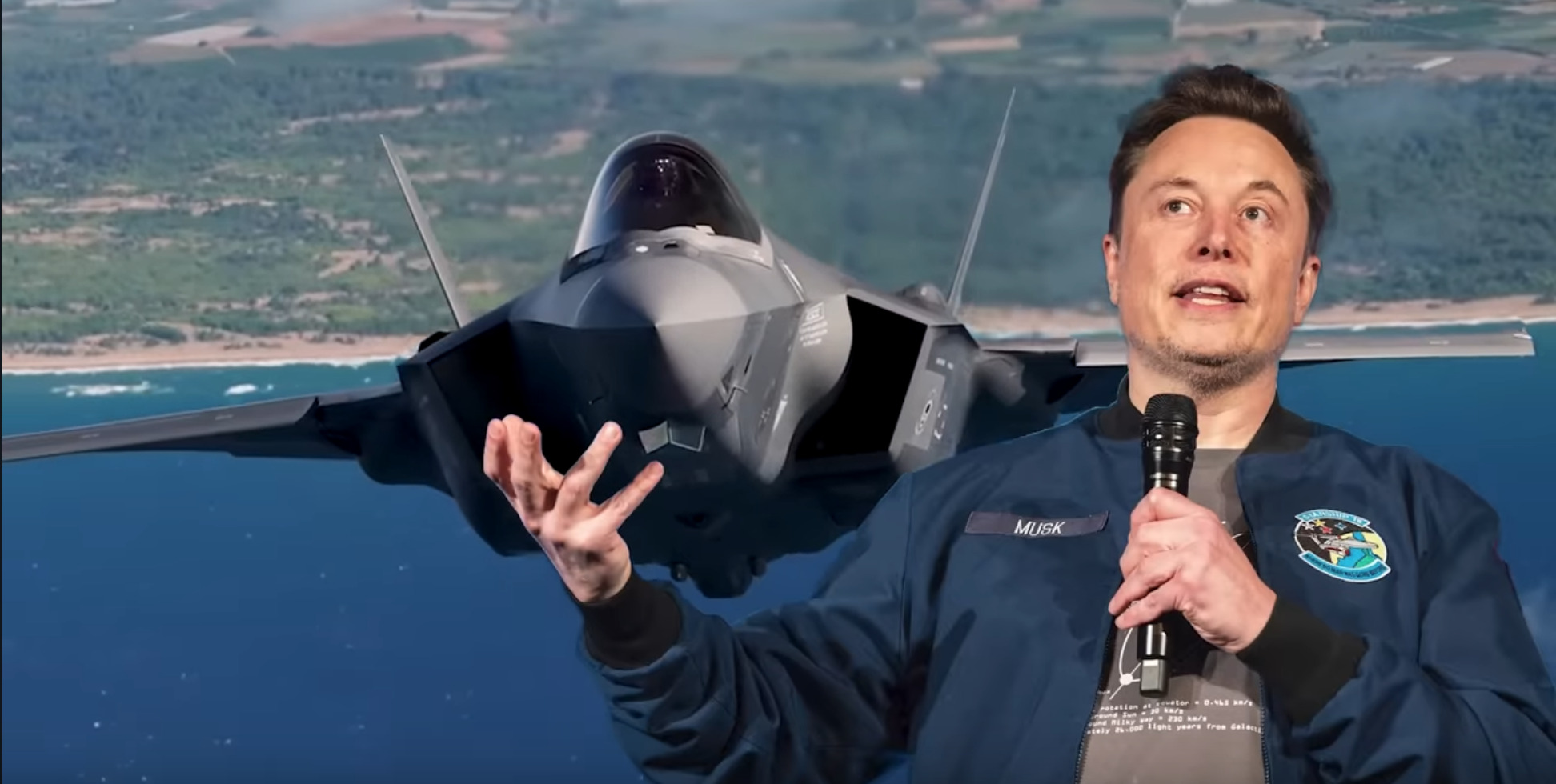
As the leader of SpaceX, Musk oversees one of the most strategically important aerospace companies in the world. SpaceX launches military satellites, supports national security operations, and operates the Starlink communications network, which has become critical in modern warfare and global communications.
In many ways, SpaceX has become deeply intertwined with American military capability.
That changes the meaning of Musk’s statements.
When an ordinary person speaks recklessly about war, it may simply be opinion.
When a defense contractor with massive government influence speaks about war having societal benefits, people naturally begin asking harder questions.
What worldview shapes those beliefs?
How might those beliefs influence political pressure, policy, or strategic thinking?
And what happens when enormous economic interests are connected to global instability?
These are not paranoid questions.
They are democratic questions.
The Dangerous Temptation Of Romanticizing Conflict
Throughout history, societies have repeatedly fallen into the trap of believing struggle automatically produces greatness.
Some hardship can indeed build resilience.
Challenges can inspire innovation.
Nations under pressure often unify.
But there is a profound difference between overcoming hardship and glorifying war itself.
Modern warfare is not an ancient battlefield where armies clash with swords and return home victorious.
Today, war means:
- hypersonic missiles,
- cyberattacks,
- economic warfare,
- drone swarms,
- satellite disruption,
- nuclear escalation risks,
- and civilian populations caught in technological destruction at unprecedented scale.
In the 21st century, great-power conflict could destabilize the entire global economy within weeks.
War is no longer a “reset button.”
It is potentially a civilization-wide catastrophe.
That is why language matters.
Especially from powerful people.
Prosperity Does Not Destroy Civilizations — Complacency Does
Musk’s broader argument appears rooted in the belief that wealthy societies become weak during long periods of peace.
There is some historical truth hidden inside that concern.
Prosperous civilizations can become complacent.
Bureaucracies can grow inefficient.
Innovation can slow.
Political systems can become stagnant.
But none of those problems require war to solve them.
Healthy societies renew themselves through:
- education,
- innovation,
- accountability,
- strong institutions,
- cultural confidence,
- and peaceful reform.
The most successful civilizations in history were not those constantly at war.
They were those capable of balancing strength with stability.
The United States became a global superpower not because it endlessly sought destruction, but because it combined industrial power, scientific innovation, economic growth, and strategic alliances on a scale no rival could match.
Peaceful prosperity built modern America far more than war ever did.
The Real Fear Is Not Musk’s Tweet — It’s The Mindset Behind It
One social media post alone does not change history.
But ideas matter because they reveal how influential people interpret the world.
And increasingly, parts of the global elite speak as though democratic institutions, regulations, and peaceful stability are obstacles rather than achievements.
That mindset is dangerous.
Because once conflict becomes intellectually romanticized, it becomes easier to justify escalation, polarization, and geopolitical recklessness.
The greatest leaders in history understood the true cost of war because they had witnessed it directly.
Modern elites often experience war differently:
through markets,
contracts,
satellite imagery,
political strategy,
or online rhetoric.
Distance can distort morality.
And when immense power combines with emotional distance from consequences, history becomes unpredictable.
Humanity’s Greatest Achievement Is Not War — It Is Cooperation
Civilization did not advance because humans perfected destruction.
It advanced because humans learned to cooperate at larger and larger scales.
Trade.
Science.
Medicine.
Engineering.
Law.
Communication.
Exploration.
These achievements required stability, trust, and long periods of peace.
The internet, space technology, artificial intelligence, and modern medicine were not created because cities were burning.
They were created because societies invested in knowledge rather than collapse.
Even the Roman Empire at its height prospered most during periods of relative stability — not endless warfare.
History’s greatest civilizations were built not merely by warriors, but by builders.
Why The Conversation Matters Now

The world is entering a deeply unstable era.
Competition between major powers is intensifying.
Artificial intelligence is reshaping economies.
Military technology is evolving rapidly.
Political polarization is growing worldwide.
In such a fragile environment, influential voices carry enormous weight.
That does not mean powerful people should be silenced.
But it does mean their ideas deserve scrutiny.
Especially when those ideas imply that conflict may somehow purify society.
Because history offers a sobering lesson:
War rarely cleanses civilizations.
Far more often, it consumes them.