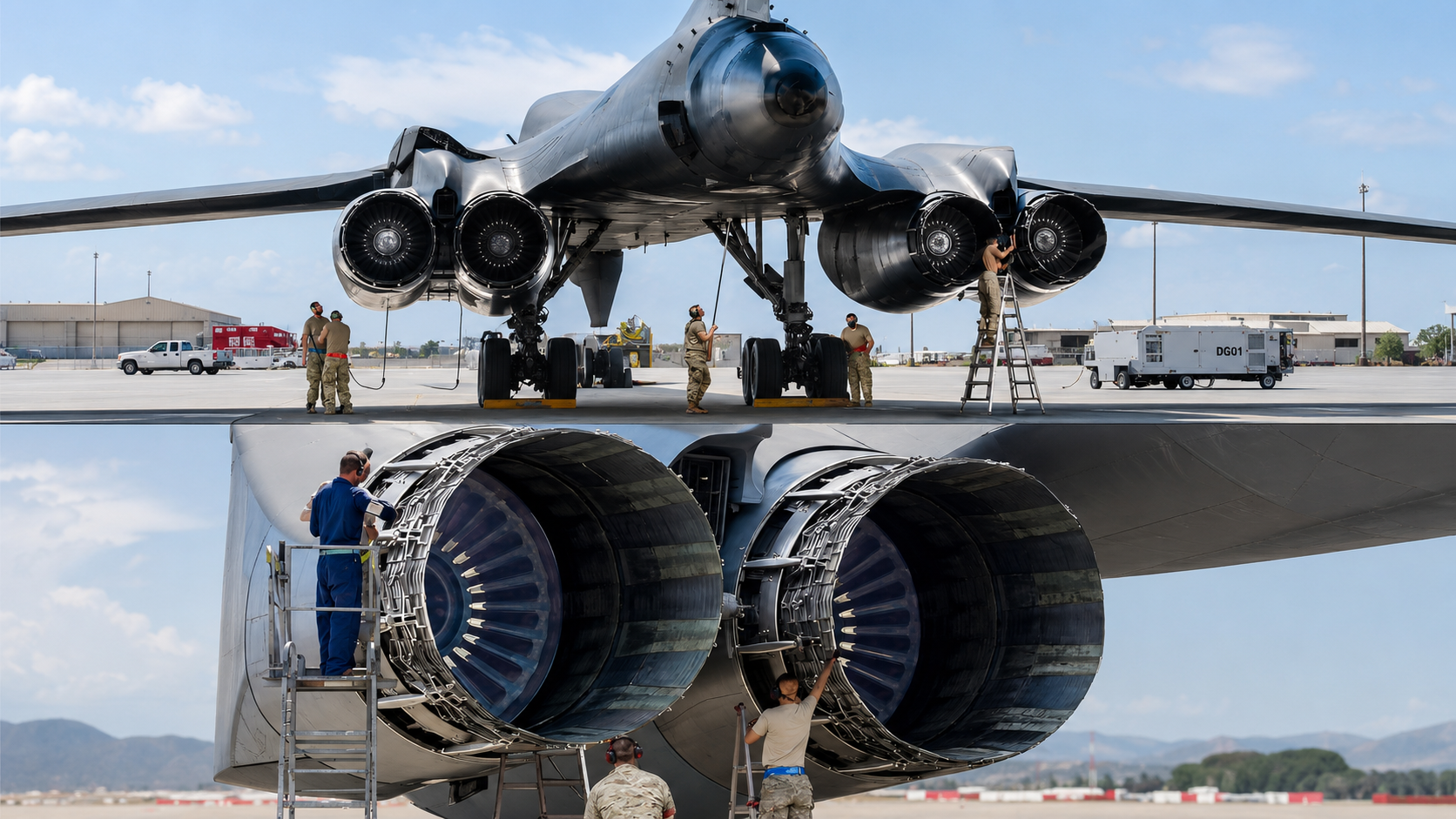
They were supposed to fade into history.
They were supposed to become museum pieces.
They were supposed to be replaced by stealth drones, artificial intelligence, hypersonic missiles, and next-generation aircraft.
But in a dangerous new era of global conflict, America’s old war machines are not disappearing.
They are coming back.
In modern warfare, everyone talks about the future.
You May Also Like
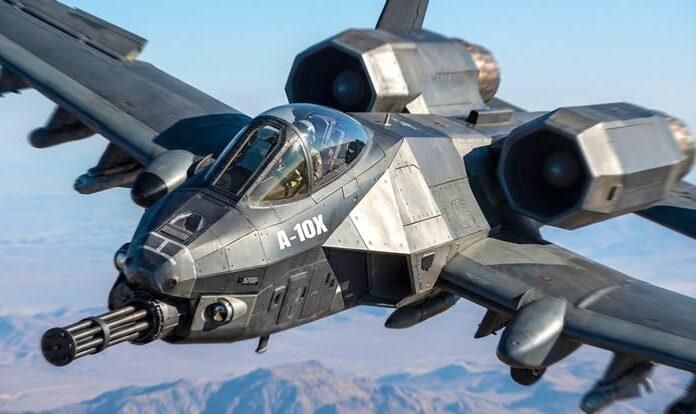
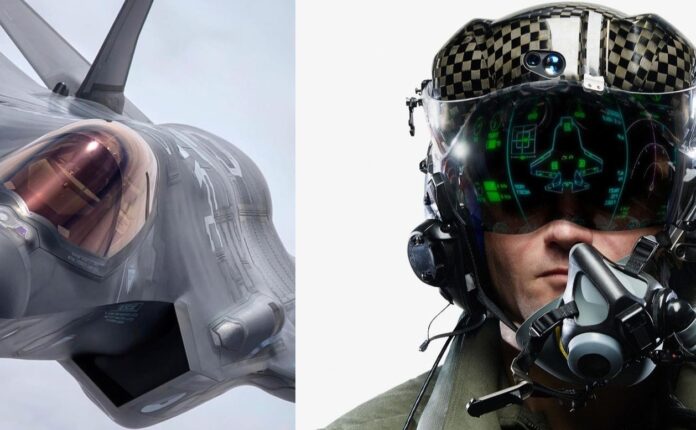
Artificial intelligence. Autonomous drones. Hypersonic weapons. Sixth-generation fighters. Space-based sensors. Electronic warfare. Invisible networks. The battlefield of tomorrow sounds like something built from science fiction.
But as tensions linked to the Iran conflict continue to reshape military strategy, the United States is being reminded of a hard truth: future technology is powerful, but proven combat machines still matter.
That is why some of America’s most legendary aircraft are suddenly receiving new life.
The B-1B Lancer, once sent to the desert as part of a shrinking bomber force, is being pulled back from the edge. The B-2 Spirit, the world’s most famous stealth bomber, is being kept alive longer than many expected. The A-10 Warthog, an aircraft the Air Force has tried for years to retire, is surviving again. And the B-52 Stratofortress, a bomber born in the 1950s, may continue flying into the 2050s and beyond.
These aircraft were supposed to be old.
Instead, they have become essential.
The message from Washington is clear: America is building the future, but it is not throwing away the machines that still know how to fight.
A New Era of War Is Reviving Old Legends
For years, U.S. defense planners believed the next chapter of airpower would be dominated by platforms like the B-21 Raider, F-35 Lightning II, advanced drones, long-range missiles, and artificial intelligence-enabled targeting systems.
That future is still coming. The B-21 Raider is expected to become the backbone of America’s future bomber force, offering stealth, long-range strike capability, and the ability to carry both conventional and nuclear weapons. But building a new generation of aircraft takes time. Training crews takes time. Producing enough aircraft to replace entire fleets takes even longer.
War does not wait for perfect timing.
That is the problem the United States faces today.
The Iran conflict has exposed the enormous demand for aircraft that can fly long distances, carry heavy weapons, strike hardened targets, support ground and naval forces, and maintain pressure over large regions. At the same time, the U.S. is trying to prepare for possible future conflicts in the Indo-Pacific, Europe, and the Middle East.
America does not simply need the newest aircraft.
It needs enough aircraft.
That is why older platforms are suddenly valuable again. They may not be glamorous compared to sixth-generation concepts, but they offer something priceless: they exist, they are proven, and they can be upgraded.
The B-1B Lancer: The Supersonic Bomber That Came Back From the Desert
Few aircraft represent this story better than the B-1B Lancer.
Nicknamed the “Bone,” the B-1B is a long-range, supersonic bomber designed to fly fast, carry a massive weapons load, and deliver conventional firepower across continents. It entered service during the Cold War, but over time, maintenance costs and aging airframes pushed the Air Force toward retirement plans.
Some B-1s were sent to the 309th Aerospace Maintenance and Regeneration Group in Arizona — the famous “boneyard,” where retired aircraft sit under the desert sun.
For many aircraft, the boneyard is the final stop.
Not for the B-1B.
In recent years, the Air Force has pulled stored B-1B bombers back from the desert and returned them to service through intensive regeneration and depot maintenance. This is not a simple process. Bringing a bomber back to life means inspecting the airframe, restoring systems, repairing damage, replacing parts, testing engines, and proving the aircraft can fly safely again.
But the fact that the Air Force is willing to do this says everything.
The B-1B still has something America needs.
It can carry a huge conventional payload. It can fly at high speed. It can launch long-range weapons. It can respond across vast distances. In a world where the U.S. must be ready for multiple crises at once, losing bomber capacity too quickly would be dangerous.
The B-1B may be old, but it is not irrelevant.
It is a reminder that raw firepower still matters.
The B-2 Spirit: The Stealth Ghost America Cannot Let Go
If the B-1B is about speed and payload, the B-2 Spirit is about silence and fear.
The B-2 is one of the most recognizable aircraft ever built. Its flying-wing shape looks almost unreal, as if it came from another planet. But its purpose is very real: penetrate heavily defended airspace and strike targets that other aircraft may not be able to reach.
Only a small number of B-2 bombers exist, which makes each aircraft extremely valuable. For decades, the B-2 has been a symbol of American strategic power — the kind of aircraft used when the mission is too important, too difficult, or too dangerous for ordinary platforms.
Many expected the B-2 to slowly fade as the B-21 Raider moved closer to service.
But the world changed faster than the replacement plan.
Now, the B-2 is being treated less like an aircraft waiting for retirement and more like a critical bridge to the future. The U.S. still needs stealth bombers that can operate today, not only years from now. The B-21 may become the future, but until enough Raiders are fully operational, the B-2 remains one of America’s most important long-range strike tools.
That is why the Air Force is continuing to invest in the B-2.
Modern warfare is not just about having stealth. It is about keeping stealth useful against newer radars, better missiles, and more advanced enemy air defenses. That means upgrades to communications, sensors, mission systems, low-observable materials, and maintenance processes.
The B-2 is not being kept alive because of nostalgia.
It is being kept alive because no other fully operational aircraft can do exactly what it does at the same level.
In a crisis involving hardened facilities, long distances, and high-value targets, stealth is not a luxury.
It is survival.
The A-10 Warthog: The Plane the Air Force Keeps Trying to Retire — and Keeps Needing
Then there is the A-10 Thunderbolt II, better known as the Warthog.
No aircraft has fought harder against retirement than the A-10.
For years, the Air Force has argued that the A-10 is too old, too slow, and too vulnerable in modern high-threat airspace. On paper, those concerns make sense. The A-10 was built for a different kind of war — one where close air support, armored protection, and low-altitude battlefield presence were essential.
But every time the Warthog seems ready to leave, real-world demand brings it back.
The A-10 is loved by ground troops because it was built around the mission of protecting them. It can fly low, stay near the battlefield, absorb punishment, and deliver precise firepower. Its famous GAU-8/A cannon became one of the most feared weapons in close air support history.
The Warthog is not sleek. It is not elegant. It is not futuristic.
It is tough.
And in war, toughness has value.
Recent decisions to extend the A-10’s life show that the U.S. still sees a need for its unique capabilities. Even as newer aircraft like the F-35 and F-15 take on more missions, the A-10 remains difficult to replace completely. It is not just an aircraft. It is a battlefield relationship between pilots and troops on the ground.
For many soldiers, the sound of an A-10 overhead means help has arrived.
That emotional connection is part of the aircraft’s legacy. But beyond emotion, there is a practical reality: replacing a mission is harder than replacing a machine.
The A-10 survives because the mission still survives.
The B-52 Stratofortress: The Bomber That May Outlive Generations
Of all America’s legendary aircraft, none tells the story of endurance like the B-52 Stratofortress.
The B-52 first flew in the early Cold War. It was designed in an age of analog instruments, early jet engines, and nuclear standoffs with the Soviet Union. Most aircraft from that era are long gone. Many exist only in museums, history books, or black-and-white photographs.
But the B-52 is still flying.
Not only that — it is being modernized for the future.
The B-52 is receiving new engines, upgraded radar, modern avionics, and other improvements that will transform it into the B-52J. These upgrades are designed to keep the bomber relevant deep into the 21st century.
That means a bomber designed in the 1950s could serve for nearly 100 years.
Think about that.
A young airman flying or maintaining a B-52 in the future may be working on an aircraft whose original design is older than their grandparents. Yet because of smart upgrades, strong engineering, and unmatched payload capacity, the B-52 remains one of America’s most useful long-range platforms.
Why keep it?
Because the B-52 can carry large numbers of weapons. It can launch standoff missiles from far outside enemy air defenses. It can patrol for long periods. It can support nuclear deterrence. It can be upgraded again and again because its basic design still works.
The B-52 does not need to be invisible if it can launch modern weapons from a safe distance.
That is the genius of its survival.
The B-52 is not just an old bomber.
It is a flying weapons truck for the missile age.
Why America Cannot Retire Everything at Once
The reason these aircraft are surviving is simple: the U.S. military cannot afford a dangerous gap in airpower.
New aircraft are expensive. Production lines are slow. Supply chains are strained. Maintenance crews need training. Pilots need experience. Modern weapons require integration. Congress must approve funding. Contractors must deliver on schedule.
In a perfect world, old aircraft would retire exactly when new aircraft are ready.
But war planning does not happen in a perfect world.
If the U.S. retires too many aircraft too quickly, it risks losing capacity before replacements are available in enough numbers. That could weaken deterrence. It could reduce flexibility. It could force newer aircraft to take on too many missions too soon.
This is especially important in a time of growing global instability.
The U.S. must think about Iran. It must think about China. It must think about Russia. It must think about North Korea. It must think about protecting allies, defending sea lanes, maintaining nuclear deterrence, and responding to sudden crises.
That requires depth.
Not just advanced technology.
Depth means having enough aircraft, enough crews, enough weapons, enough maintenance capacity, and enough strategic options.
The B-1B, B-2, A-10, and B-52 give America options.
That is why they are still here.
Old Aircraft, New Weapons
One reason these aging platforms remain valuable is that the aircraft themselves are only part of the equation.
Modern warfare is increasingly about the weapons, sensors, networks, and software connected to the aircraft.
An old bomber carrying old bombs is one thing.
An old bomber carrying modern precision weapons, cruise missiles, electronic warfare systems, and networked targeting data is something very different.
This is why aircraft like the B-52 can remain relevant. The airframe may be old, but the weapons it carries can be new. The same principle applies to the B-1B and B-2. With upgrades, these aircraft can launch modern stand-off weapons, communicate through improved systems, and operate as part of a wider network.
The future of airpower is not only about building new aircraft.
It is also about making proven aircraft smarter, more connected, and more lethal.
That is where America’s legendary war machines find their second life.
The Iran Conflict and the Return of Heavy Airpower
The Iran conflict has reinforced a lesson military planners already knew: long-range strike power is not optional.
Iran’s geography, hardened facilities, missile forces, naval threats, and regional influence create a complex battlefield. Any major operation in the region requires aircraft that can travel long distances, carry serious firepower, and operate under pressure.
That is exactly where bombers become important.
Fighter jets are essential, but they have limits. Tankers can extend their range, but long missions require planning and support. Drones can watch, strike, and harass, but they cannot always replace the psychological and strategic impact of heavy bombers.
A bomber sends a message before it even drops a weapon.
It tells adversaries that distance will not protect them.
That is why America’s bomber force remains central to deterrence. Whether it is the stealthy B-2, the fast B-1B, or the missile-carrying B-52, each aircraft gives the president and military commanders a different option.
In a crisis, options are power.
The Emotional Power of Machines That Refuse to Die
There is also something deeply human about this story.
People connect with these aircraft because they represent endurance. They were built by past generations, maintained by today’s airmen, and prepared for tomorrow’s conflicts. Every rivet, every engine, every cockpit, and every scar tells a story.
The B-52 represents patience and strength.
The B-2 represents mystery and fear.
The B-1B represents speed and thunder.
The A-10 represents loyalty to troops on the ground.
These machines are not just metal. They are symbols.
That is why their survival captures public attention. People understand the idea of something old refusing to quit. They understand the power of being counted out, only to rise again.
America’s legendary aircraft are doing exactly that.
They were written off.
They were scheduled for retirement.
They were called outdated.
But now, under the pressure of real-world conflict and global uncertainty, they are being called back.
The Future Will Be Mixed — Not Fully New
The lesson from this moment is not that old aircraft are better than new ones.
The B-21 Raider is still crucial. Drones will continue to grow in importance. Artificial intelligence will reshape command, control, targeting, and battlefield awareness. Hypersonic weapons will change the speed of war. Sixth-generation aircraft will eventually redefine air dominance.
But the transition will not happen overnight.
The future U.S. Air Force will likely be a mix of old and new: B-21 Raiders flying alongside upgraded B-52Js, modern fighters operating with drones, stealth aircraft supported by long-range missiles, and legacy platforms carrying weapons that did not exist when they were first designed.
That is not weakness.
That is adaptation.
America is not simply clinging to old machines. It is turning them into bridges between the wars of the past and the wars of the future.
Conclusion: The War Machines That Refused to Die
In an age obsessed with the next big thing, America’s legendary aircraft are proving that survival is also a form of power.
The B-1B Lancer is coming back from the desert.
The B-2 Spirit is staying in the shadows.
The A-10 Warthog is refusing retirement again.
The B-52 Stratofortress is preparing for a future almost no one imagined when it was first built.
These aircraft were supposed to fade away.
Instead, they are being upgraded, restored, extended, and trusted once more.
The future of war may belong to artificial intelligence, stealth drones, hypersonic weapons, and sixth-generation fighters.
But when the stakes become existential, America still looks to the machines that have already proven themselves.
They are old.
They are scarred.
They are expensive to maintain.
But they are still dangerous.
And in a world where conflict can erupt without warning, that may be exactly why America refuses to let them die.