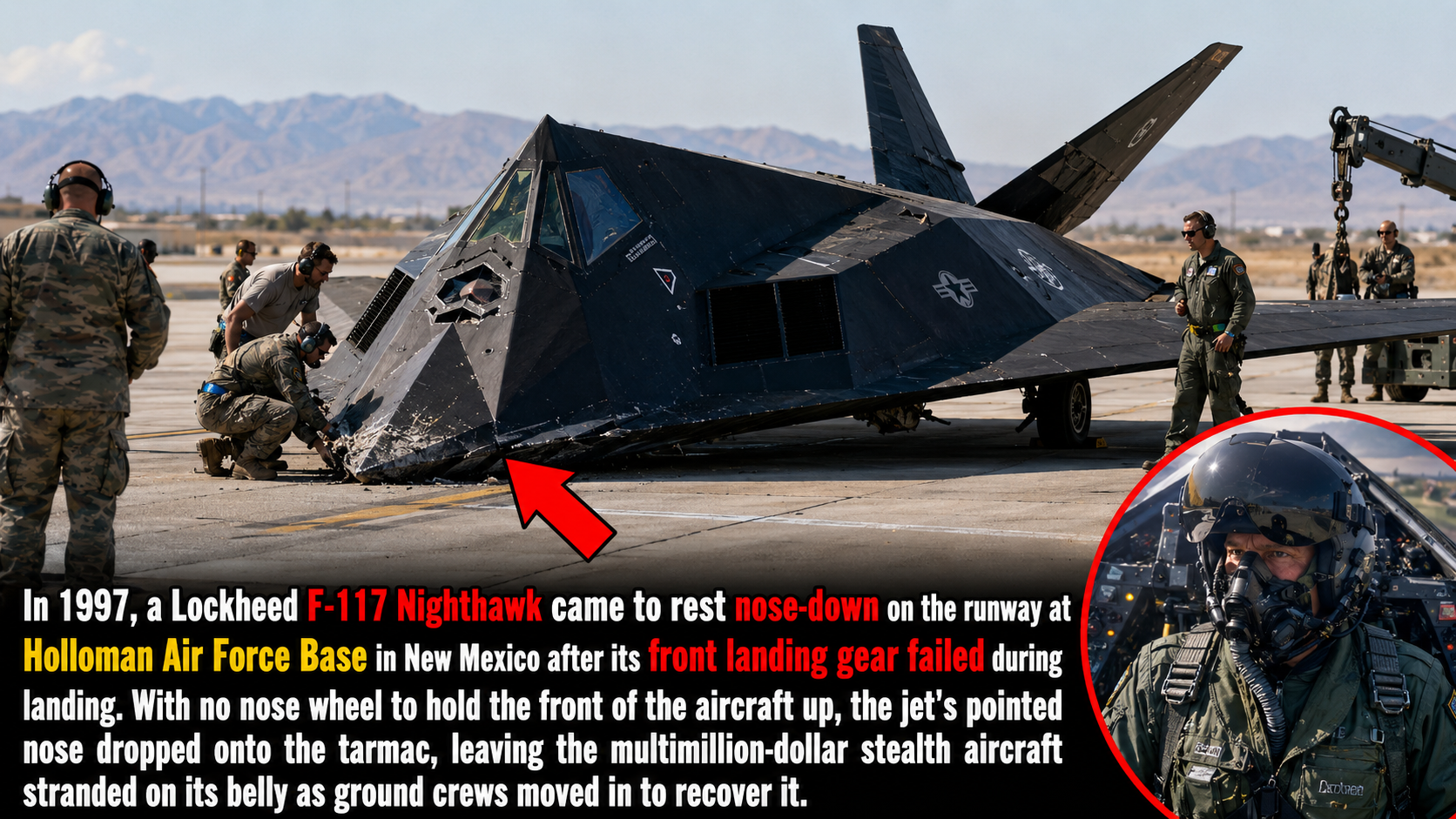
In 1997, one of America’s most famous stealth aircraft suffered an embarrassing and dramatic runway incident at Holloman Air Force Base in New Mexico.
A Lockheed F-117 Nighthawk, the sharp-edged black jet once hidden from the public for years, came to rest nose-down on the runway after its front landing gear failed during landing. Without the nose wheel to support the aircraft, the front of the jet dropped onto the tarmac, leaving the stealth aircraft stranded on its belly as ground crews rushed in to recover it.
For a machine designed to slip past enemy radar unseen, the moment showed a very different side of the Nighthawk. It was no longer the mysterious “invisible” aircraft of night missions and classified operations. It was sitting exposed on a runway, its pointed nose pressed against the ground.
The incident was not just visually striking. It also reminded people that even the most advanced military aircraft are still machines — and machines can fail.
You May Also Like
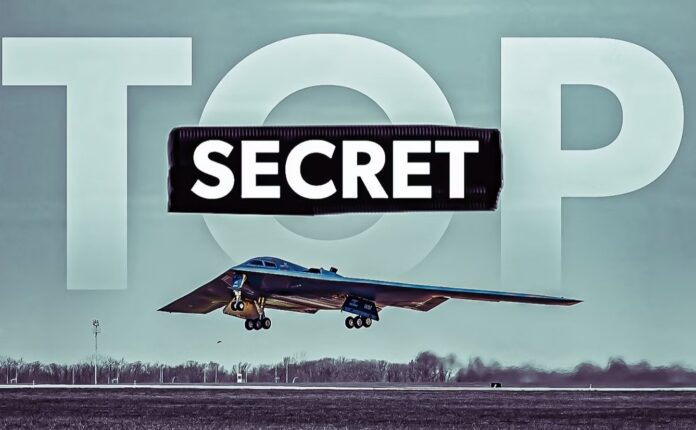
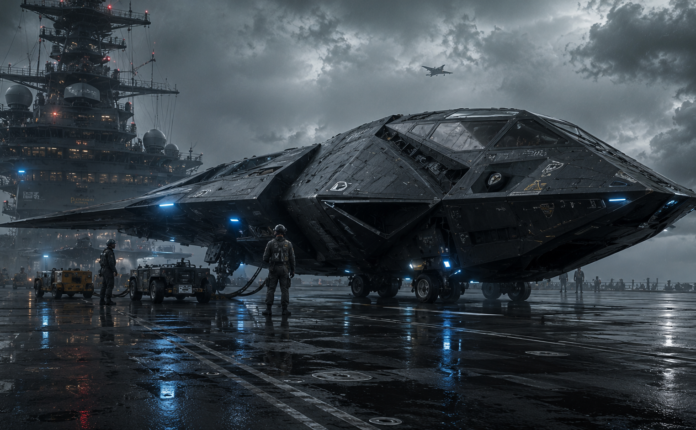
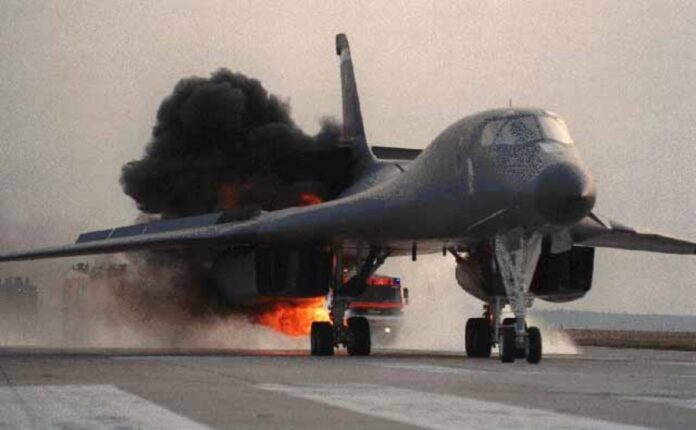
The F-117 was never an easy aircraft to fly. Its strange, faceted shape was designed for stealth, not beauty or smooth handling. Every sharp angle had a purpose: to scatter radar waves and make the aircraft harder to detect. But that same unusual design also made the jet demanding for pilots and maintenance crews.
Landing gear failures were one of the hazards that could turn a routine landing into a tense emergency. In this case, the failed nose gear left the aircraft unable to stay level after touchdown. Once the front support was gone, gravity did the rest.
But to understand why this incident caught so much attention, it helps to remember what the F-117 represented.
The Nighthawk was not just another fighter jet. It was a symbol of a new era in air warfare. It was the world’s first operational stealth aircraft, built by Lockheed’s legendary Skunk Works team and developed under deep secrecy.
The aircraft first flew on June 18, 1981, from the classified Groom Lake test site in Nevada — the secretive location better known to the public as Area 51. For years, the jet operated in the shadows. It flew mostly at night. Its pilots were carefully selected. Many people, including some family members of those involved, did not fully know what the aircraft was or what missions it was preparing for.
The U.S. military did not publicly acknowledge the F-117’s existence until November 1988. By then, the aircraft had already been flying for years.
” Tragedy at Edwards: B-52 Crash Kills Eight “
When it finally stepped out of secrecy, the F-117 quickly became one of the most recognizable military aircraft in the world. Its black paint, pointed nose, flat surfaces, and alien-like shape made it look unlike anything else in the sky.
The aircraft made its combat debut during the U.S. invasion of Panama in 1989. But it became truly famous during the 1991 Gulf War, when it was used to strike heavily defended targets in Iraq. The F-117’s mission was simple but dangerous: fly into airspace protected by enemy radar and air defenses, hit key targets, and get out.
To the public, the Nighthawk became a symbol of precision, secrecy, and American airpower.
That is why the 1997 runway incident stood out. The same aircraft known for slipping past radar and striking targets in the dark was suddenly helpless on the ground because of a landing gear failure. It was a rare public moment of vulnerability for a jet built around mystery and control.
Still, the incident did not erase the aircraft’s legacy. Instead, it became another chapter in the long and unusual story of the F-117.
The Nighthawk was officially retired in 2008, after more advanced stealth aircraft such as the F-22 Raptor and F-35 Lightning II began taking over the future of low-observable airpower. But even retirement did not fully end the F-117’s story.
Years later, aviation watchers continued to spot the aircraft flying in the United States. Reports and official images later showed that some F-117s were still being used for training, testing, research, and adversary-style missions. In other words, the aircraft that once lived in secrecy never completely disappeared.
The 1997 Holloman incident remains a powerful reminder: even the most advanced aircraft in the world can be humbled by a basic mechanical failure. The F-117 could defeat radar, strike guarded targets, and change the future of aviation. But on that day in New Mexico, it was brought nose-first onto the runway by a failed front landing gear.
It was a strange moment for a legendary aircraft — but also a very human one.
B-52 was in the air a very short time before crashing and killing all 8 on board
Because behind every stealth jet, every mission, and every military breakthrough, there are pilots, mechanics, engineers, and crews working with machines that must perform perfectly under pressure. When one part fails, even a legend can fall forward.
The F-117 Nighthawk may have ended up nose-down on the runway in 1997, but its place in aviation history remains standing tall.