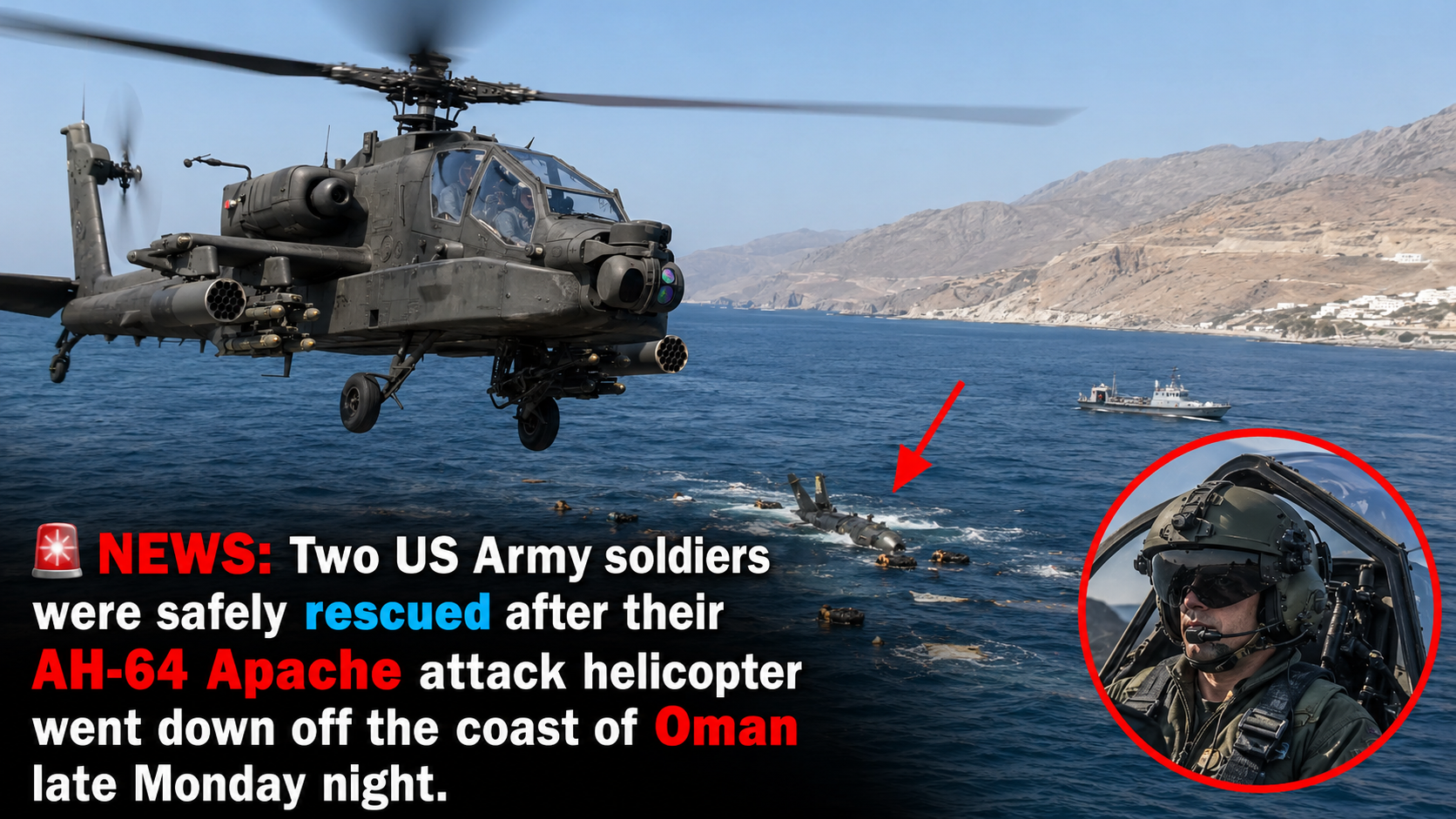
Two U.S. Army soldiers were safely rescued after their AH-64 Apache attack helicopter went down off the coast of Oman late Monday night, in an incident that has drawn attention because of both the location and the unusual rescue operation that followed.
According to U.S. Central Command, the Apache went down near the coast of Oman while patrolling regional waters close to the Strait of Hormuz, one of the most important and sensitive waterways in the world.
The crash happened on Monday, June 8, 2026. Both crew members were recovered by American forces within approximately two hours and were later reported to be in stable condition.
While any military aircraft crash is serious, this incident became especially notable because of how the soldiers were rescued.
You May Also Like
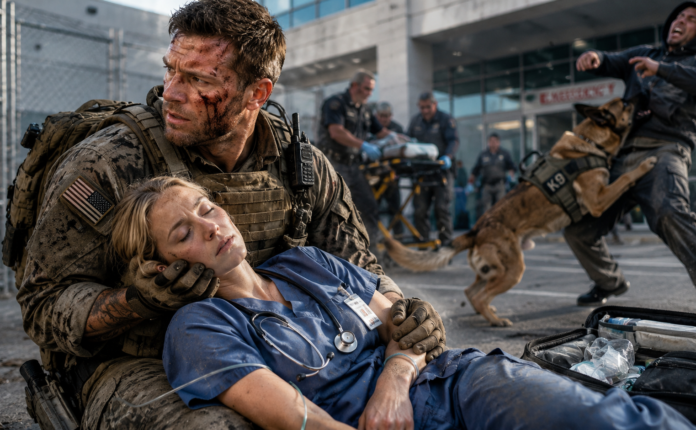
In what officials described as a historic first, the rescue involved an unmanned U.S. Navy surface vessel — often called a drone boat. Instead of relying only on traditional rescue aircraft or crewed boats, the unmanned vessel helped locate and recover the downed Apache crew from the water.
The drone boat was operated by U.S. Naval Forces Central Command’s Task Force 59, a Bahrain-based unit focused on bringing artificial intelligence, unmanned systems, and new maritime technology into U.S. Fifth Fleet operations.
Task Force 59 has spent years testing how unmanned vessels can support military missions at sea. But this rescue showed the technology being used in a real emergency, where every minute mattered and two lives were at risk.
Lone Survivor of WWII B-17 Crash Returned 40 Years Later to Bring His Crew Home
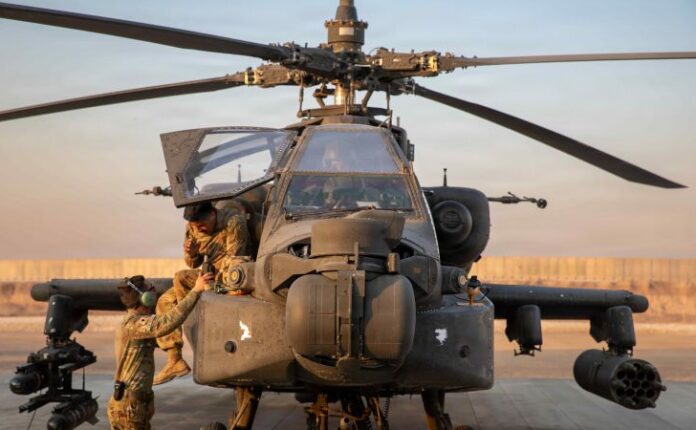
The AH-64 Apache is one of the U.S. Army’s most powerful attack helicopters. Built for close air support, armed reconnaissance, and anti-armor missions, the Apache is designed to operate in dangerous environments. It can carry missiles, rockets, and a powerful chain gun, and it is known for its ability to support troops on the ground.
But helicopters flying over water face a different kind of danger. If something goes wrong, the crew has very little time to react before impact. Unlike fighter jets, Apache helicopters do not have ejection seats. Survival depends on training, timing, equipment, and how quickly rescue forces can reach the scene.
That is why the successful recovery of both soldiers is so important.
The Strait of Hormuz area is already one of the most closely watched regions in the world. A large portion of global oil traffic passes through the narrow waterway, making it a place of constant military, political, and economic tension.
The crash also comes at a time of heightened concern across the region. U.S. officials have not publicly confirmed the exact cause of the incident, and CENTCOM said the matter remains under investigation.
Some reports said officials were examining whether the Apache may have been brought down by hostile action, including the possible involvement of Iranian forces. However, until the investigation is complete, the official cause remains unknown.
For now, the most important outcome is that both U.S. soldiers survived.
The incident may also mark a turning point in the future of military rescue operations. For decades, combat search and rescue missions have depended heavily on helicopters, ships, and human rescue teams entering dangerous areas. But this case shows how unmanned systems could help reduce risk while still reaching people in life-threatening situations.
A drone boat does not replace the courage of pilots, sailors, or rescue crews. But it can go into dangerous waters, search quickly, and support recovery efforts without putting more lives directly in harm’s way.
B-52 was in the air a very short time before crashing and killing all 8 on board
That could become increasingly important in future conflicts, especially in contested waters where enemy drones, missiles, mines, or small boats may pose a threat.
The Apache crash off Oman will be remembered for more than the loss of an aircraft. It will be remembered as a moment when two soldiers survived a dangerous crash at sea — and when an unmanned Navy vessel helped bring them home.
In a region where tension can rise quickly, the successful rescue offered one clear piece of good news: both crew members made it out alive.