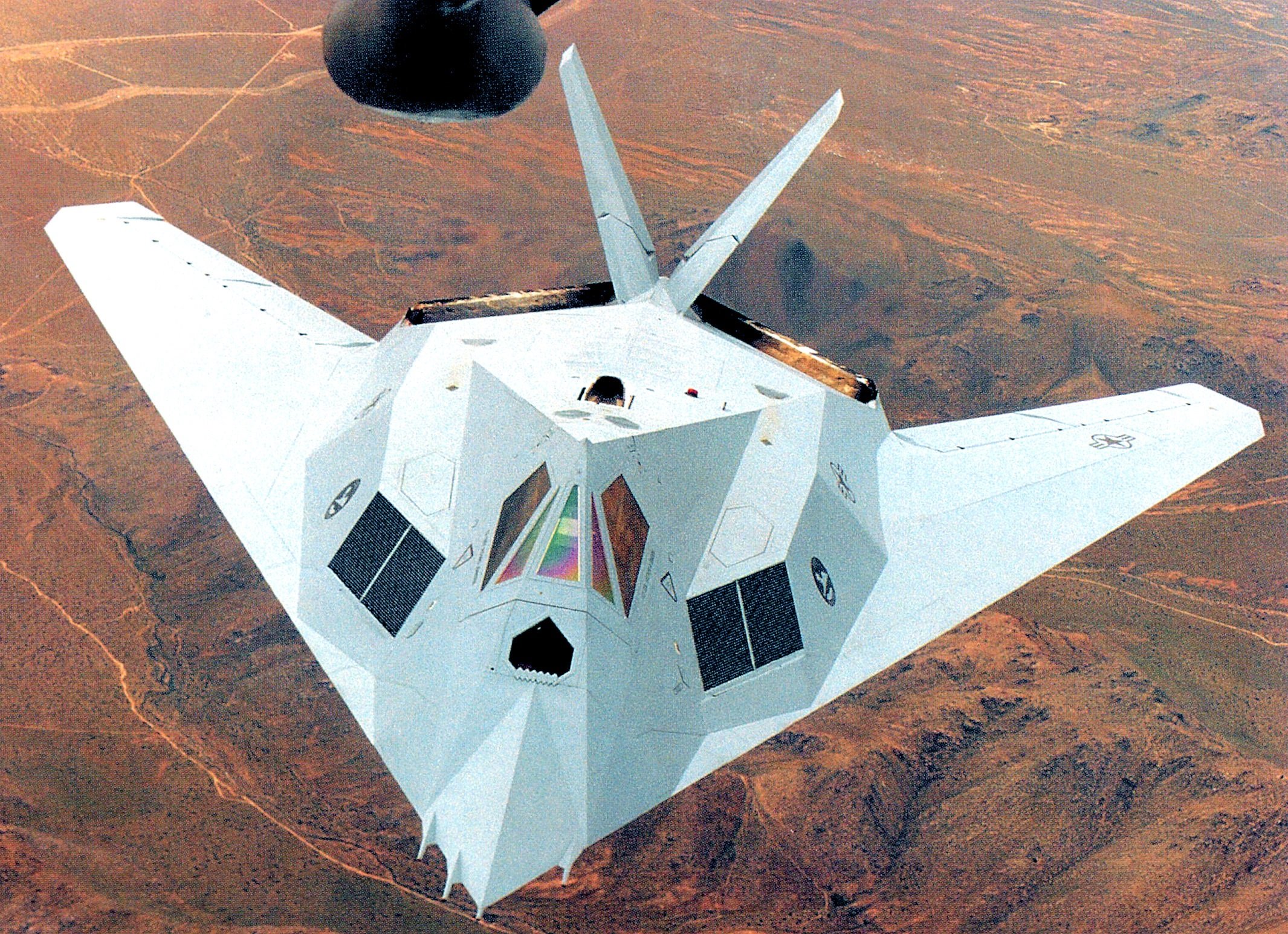
How a downed U.S. stealth jet in Kosovo may have helped ignite China’s next-generation airpower revolution
In modern warfare, the most valuable weapon is not always a missile or a bomb.
Sometimes, it is information.
A fragment of technology.
A broken piece of metal pulled from a battlefield.
You May Also Like
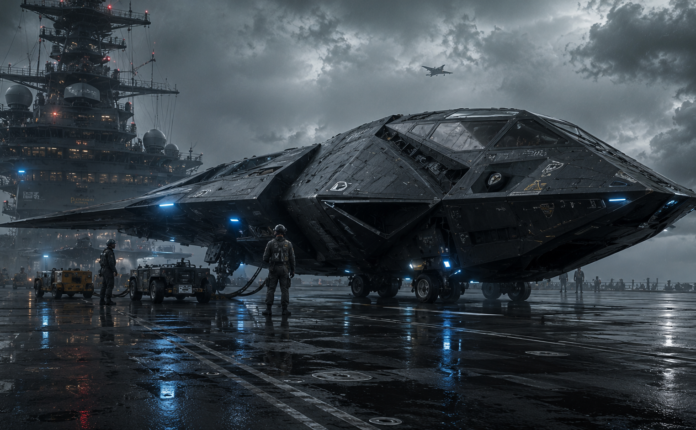

And according to military officials and defense analysts, one of the most important aviation mysteries of the 21st century may have begun with the wreckage of a fallen American stealth aircraft in Serbia during the Kosovo War.
At the center of the story are two legendary aircraft:
The Lockheed F-117 Nighthawk and China’s Chengdu J-20.
One changed air warfare forever.
The other symbolized China’s emergence as a military superpower.
And some believe the two are more connected than the world realizes.
The Night the Invisible Aircraft Fell
In 1999, during NATO’s bombing campaign over Serbia, the unthinkable happened:
A Serbian missile battery successfully shot down an F-117 Nighthawk.
It was the first time in history that America’s secretive stealth aircraft had been destroyed in combat.
For the world, it was shocking.
The F-117 had been designed to evade radar and penetrate heavily defended airspace undetected.
For years, it represented the cutting edge of American stealth dominance.
But when the aircraft crashed into Serbian farmland, something else happened:
The world’s most advanced stealth technology was suddenly exposed.
The Race to the Wreckage
According to Balkan military officials and intelligence reports cited by defense analysts, foreign agents rapidly moved into the crash area searching for debris.


Croatian Admiral Davor Domazet-Loso later claimed Chinese operatives were actively purchasing fragments of the aircraft from local villagers and collectors.
Military experts believe those pieces may have offered valuable insight into:
- Radar-absorbing materials
- Stealth shaping
- Heat signature reduction
- Specialized aerospace coatings
- Low-observable engineering techniques
Even damaged fragments could reveal years of technological secrets.
Could China Really Reverse-Engineer Stealth Technology?
Experts caution that building a stealth fighter involves far more than simply copying wreckage.
True stealth capability requires:
- Advanced aerospace engineering
- Specialized manufacturing
- Complex software integration
- Precision radar design
- High-end materials science
But defense analysts say battlefield debris can still provide an enormous advantage.


Studying an aircraft like the F-117 could help engineers understand:
- Surface angles that reduce radar reflection
- Composite material layering
- Structural design philosophy
- Signature management concepts
And during the late 1990s and early 2000s, China was aggressively modernizing its military technology sector.
The Rise of the J-20
When the Chengdu J-20 first appeared publicly, many Western analysts were stunned by how quickly China had advanced into fifth-generation stealth aviation.
The J-20 represented a major leap in Chinese military capability.
The aircraft combined:
- Stealth-oriented shaping
- Advanced avionics
- Long-range strike capability
- Modern sensor fusion systems
For the first time, China possessed a stealth fighter capable of challenging Western airpower in the Asia-Pacific region.
The Global Shift in Airpower
Whether or not F-117 debris directly influenced the J-20’s development, one fact is undeniable:
The global stealth race had changed forever.
The United States no longer held an uncontested monopoly on stealth combat aviation.
Today, multiple nations are developing:
- Low-observable fighters
- Stealth bombers
- Advanced radar systems
- Counter-stealth technologies
And the balance of airpower is becoming increasingly competitive.
Why the F-117 Still Matters
Even decades after retirement, the Lockheed F-117 Nighthawk remains one of the most revolutionary aircraft ever built.
It changed warfare by proving that invisibility — or near invisibility — could become a strategic weapon.
Its success inspired an entire generation of stealth aircraft, including:
- Lockheed Martin F-22 Raptor
- Lockheed Martin F-35 Lightning II
- Northrop Grumman B-2 Spirit
And possibly influenced rivals seeking to close the technology gap.
Final Insight
The story of the F-117 and the J-20 is about more than aircraft.
It is about how modern power is built.
Wars are no longer won only by armies.
They are won through:
- Technology
- Intelligence
- Engineering
- Innovation
- Information gathered from every possible source
And sometimes, history changes not in laboratories or factories —