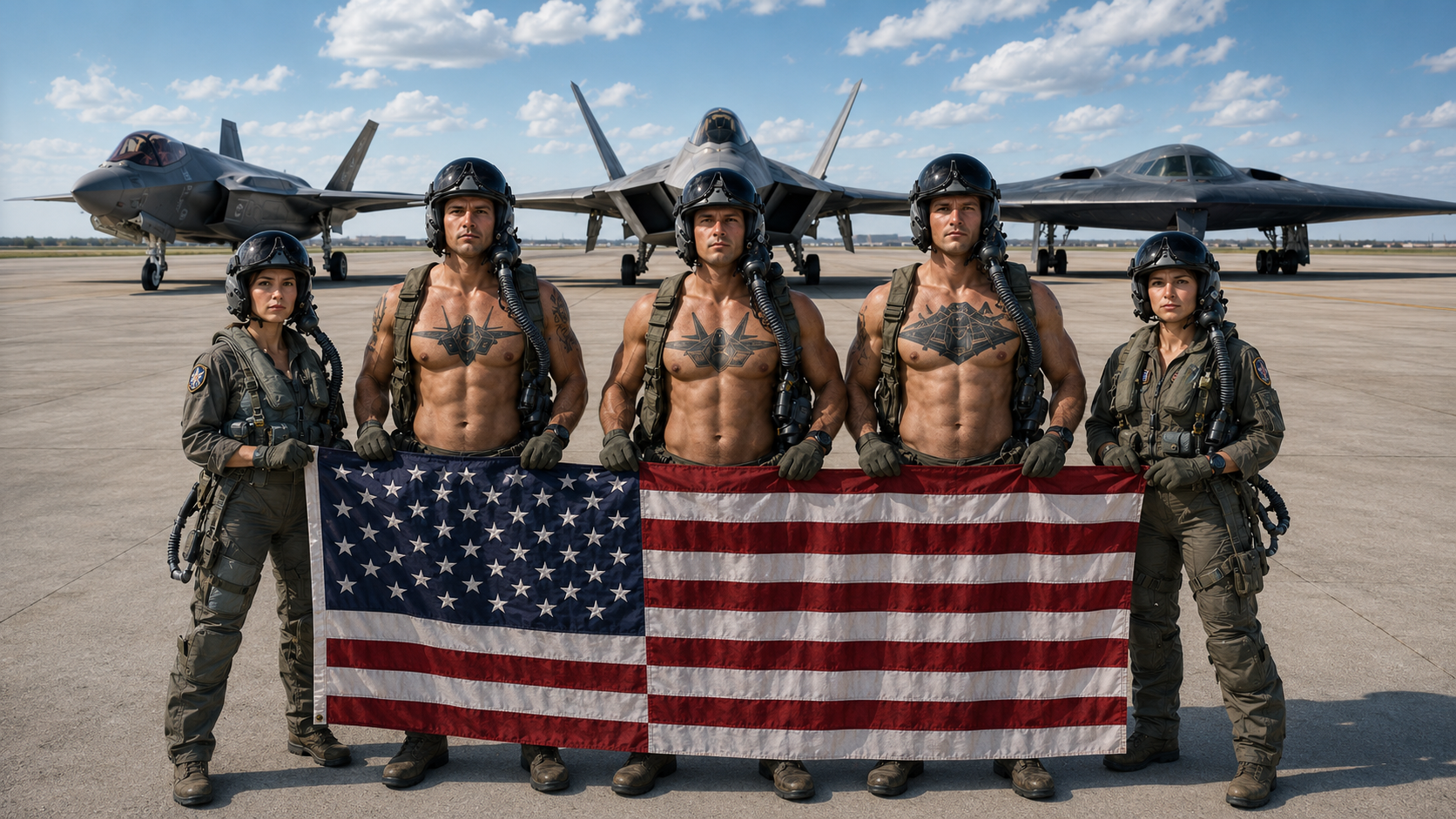
Few careers on Earth demand more discipline, courage, and responsibility than becoming a United States military pilot.
It is a path reserved for those who are willing to carry the weight of national defense on their shoulders and make life-and-death decisions at 40,000 feet.
Military pilots do not simply learn to fly.
They learn to lead.
You May Also Like


They learn to fight.
They learn to remain calm when everything around them is moving at supersonic speed.
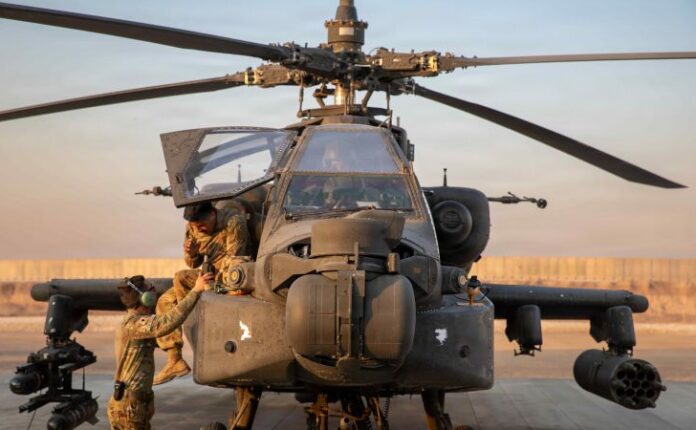
Whether flying the stealthy F-35 Lightning II, the dominant F-22 Raptor, the battle-proven AH-64 Apache, or remotely piloted aircraft like the MQ-9 Reaper, every military aviator begins the same way: by proving they are worthy of the wings they hope to wear.
The Dream Begins with a Decision to Serve

Before anyone can become a pilot, they must first commit to serving their country as a military officer or, in the Army’s case, as a warrant officer.
This distinction matters.
The military is not looking for thrill seekers who want to fly fast aircraft.
It is looking for leaders who can be trusted with billion-dollar equipment, classified technology, and the lives of fellow service members.
Flying is a privilege earned through service, character, and proven leadership.
Four Paths to the Cockpit
Each military branch offers a different path to aviation.
U.S. Air Force
The United States Air Force trains pilots for fighters, bombers, tankers, transports, and drones. Most officers commission through the United States Air Force Academy, ROTC, or Officer Training School.
U.S. Navy
The United States Navy prepares aviators for carrier-based operations and maritime missions, beginning flight training at Naval Air Station Pensacola.
U.S. Marine Corps
The United States Marine Corps emphasizes one principle above all: every aviator is a Marine officer first.
U.S. Army
The United States Army relies heavily on warrant officers to fly helicopters and tactical aircraft through the Warrant Officer Flight Training program.
Different uniforms. Different missions. One standard: excellence.
The Requirements: Earning the Right to Compete

The standards are intentionally demanding.
Applicants generally must:
- Be a U.S. citizen.
- Meet age requirements.
- Qualify for a security clearance.
- Pass strict medical and vision exams.
- Excel on aptitude tests.
- Meet physical fitness standards.
- Demonstrate strong academic performance and leadership potential.
The process is designed to identify individuals who can perform under pressure when mistakes are unforgiving.
Officer First, Pilot Second
One of the most misunderstood truths about military aviation is this:
The military does not train pilots first. It trains leaders first.
A military pilot may command formations, brief senior leaders, coordinate with ground forces, and make strategic decisions in combat.
Technical skill matters, but character matters more.
The aircraft can be replaced.
Integrity cannot.
Flight Training: One of the Toughest Schools in the World


Military flight training is a relentless process of instruction and evaluation.
Students are tested every day on knowledge, judgment, and composure.
Training includes:
- Aerodynamics and aircraft systems.
- Meteorology and navigation.
- Emergency procedures.
- Simulator training.
- Basic and advanced flight instruction.
- Instrument and night flying.
- Formation and tactical operations.
The pace is intense.
The expectations are uncompromising.
And every flight is a test.
Simulators: Where Mistakes Become Lessons


Before entering a real cockpit, students spend countless hours in simulators.
There they face engine failures, electrical malfunctions, severe weather, and combat scenarios.
Simulators allow instructors to create situations too dangerous to practice repeatedly in actual aircraft.
Pilots learn that the goal is not perfection.
The goal is disciplined recovery.
The Aircraft Assignment: Your Future Takes Shape

After primary training, students are assigned aircraft based on:
- Performance.
- Instructor evaluations.
- Personal preferences.
- Service requirements.
Some will fly fighters such as the F-35.
Others will command heavy aircraft like the C-17 Globemaster III or KC-46 Pegasus.
Some will fly helicopters.
Others will operate remotely piloted systems.
Every platform plays a vital role.
Fighter Pilot Training: Mastering Speed, Pressure, and Judgment


Fighter pilots undergo some of the most demanding training in the military.
They learn:
- Air-to-air combat.
- Air-to-ground strike tactics.
- Radar intercepts.
- Defensive maneuvers.
- Weapons employment.
- Threat evasion.
- High-G endurance.
At nine times the force of gravity, even breathing becomes a skill.
In those moments, success depends less on reflexes than on disciplined judgment.
The aircraft provides extraordinary capability.
The pilot provides the decision-making that turns capability into victory.
Survival Training: Preparing for the Worst Day


Military aviators are trained to survive after ejection, crash landing, or isolation behind enemy lines.
Training may include:
- Water survival.
- Land navigation.
- Resistance and evasion techniques.
- Shelter building.
- Signaling for rescue.
Pilots are prepared not only to fight, but to endure.
The Debrief: Where Great Pilots Are Forged


After each mission, pilots conduct exhaustive debriefs.
Every mistake is analyzed.
Every decision is questioned.
Every lesson is captured.
This culture can be brutally honest, but it is one of the most powerful tools for developing excellence.
Ego is set aside.
Learning becomes the mission.
How Long Does It Take?

The journey from candidate to combat-ready aviator often takes several years.
After commissioning, formal pilot training lasts roughly a year, followed by aircraft-specific instruction and mission qualification.
The result is one of the most highly trained professionals in the world.
The Mindset That Separates the Best

The most successful candidates share common traits:
- Intellectual curiosity.
- Physical fitness.
- Emotional control.
- Humility.
- Leadership.
- Teamwork.
- Resilience.
- Integrity.
The best pilots are not reckless.
They are disciplined professionals who remain calm when others panic.
The Hard Truth

Thousands dream of becoming military pilots.
Only a small percentage earn the wings.
The reason is simple.
The nation must know that when a pilot launches into the sky, that person can be trusted to make sound decisions under extreme pressure.
This responsibility cannot be given lightly.
It must be earned.
Final Thoughts: Wings Earned Through Character

To become a U.S. military pilot is to pursue one of the most demanding and honorable careers in the world.
It requires years of sacrifice, relentless training, and unwavering dedication.
But for those who succeed, the reward is extraordinary.
You do not merely fly powerful aircraft.
You become part of a tradition of men and women who have defended freedom from the skies for generations.
The silver wings on a military uniform are more than a badge.
They are a symbol of trust, courage, and excellence earned through one of the toughest journeys a person can undertake.