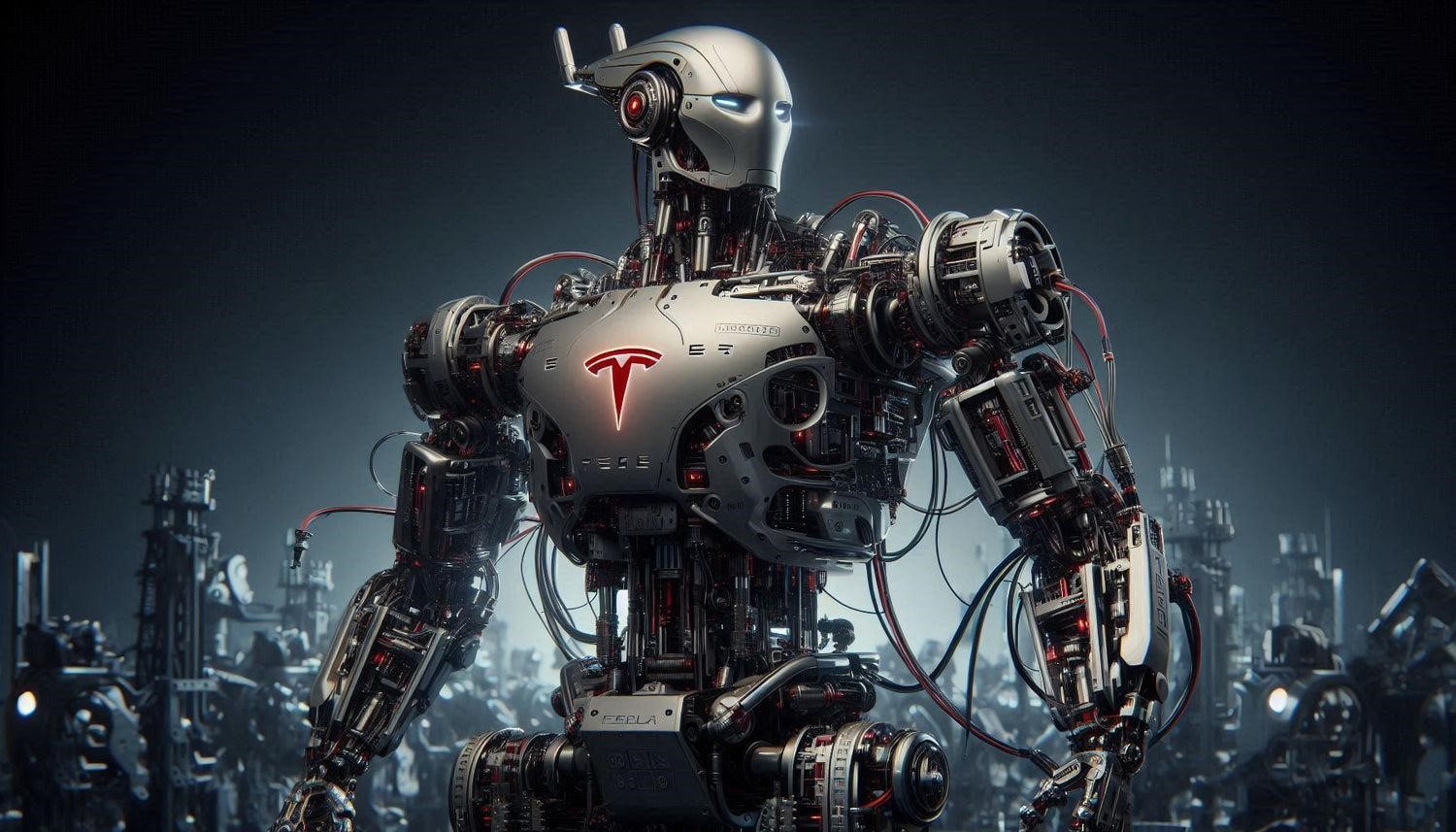
The future imagined in science fiction is no longer decades away. It is being built now — in factories, laboratories, and artificial intelligence systems that grow more capable every year. At the center of that transformation stands Elon Musk, the billionaire behind Tesla, whose ambitions stretch far beyond electric cars.
During a recent Tesla earnings call, Musk spoke openly about the future of the company’s humanoid robots, known as Optimus, and hinted at wanting “strong influence” over what could eventually become a vast robotic workforce. The statement immediately sparked fascination, excitement, and concern across the technology world.
For supporters, it sounded like the beginning of a new industrial revolution.
For critics, it raised a far more unsettling question:
You May Also Like


What happens when one individual gains enormous influence over powerful AI-driven machines operating at global scale?
Tesla’s Bigger Ambition: More Than Cars
For years, Tesla was viewed primarily as an electric vehicle manufacturer. But Musk increasingly describes the company differently — as an artificial intelligence and robotics powerhouse.
In Musk’s vision, the future of Tesla is not just autonomous vehicles. It is intelligent machines capable of performing physical labor, assisting humans, and potentially transforming entire industries.
The centerpiece of that vision is Optimus, Tesla’s humanoid robot project.


The robot is designed to:
- Walk and move like a human
- Handle repetitive industrial tasks
- Assist in dangerous environments
- Potentially work in homes, warehouses, and factories
Musk believes humanoid robots could eventually become more valuable than Tesla’s vehicle business itself.
That is an extraordinary claim considering Tesla is already among the world’s most influential technology companies.
The Dream of a Robot Workforce
Musk has often framed AI and robotics as tools that could solve labor shortages, increase productivity, and unlock massive economic growth.
Imagine:
- Factories operating continuously with robotic workers
- Dangerous mining or disaster-response missions handled by machines
- Elder care and physical assistance supported by AI-powered robots
- Entire industries transformed by automation
In theory, humanoid robots could reshape civilization much like the internet or electricity once did.
Supporters argue that if developed responsibly, such systems could free humans from repetitive labor and open a new era of innovation and prosperity.
That is why investors and technologists continue paying close attention to Tesla’s robotics ambitions.
Why Critics Are Concerned
Yet alongside excitement comes growing unease.
Critics argue that Musk’s comments about maintaining strong influence over advanced robotic systems highlight a deeper issue already shaping the AI era: the concentration of technological power in the hands of a few individuals and corporations.
The concern is not simply about robots.
It is about:
- Who controls advanced AI systems
- How those systems are governed
- What safeguards exist
- And whether society is prepared for such rapid change
Artificial intelligence is already disrupting industries, economies, and political systems. Adding physical robotic capability to powerful AI could dramatically increase that impact.
Many experts warn that humanity is entering a period where ethical leadership may become as important as technological capability itself.
The Elon Musk Paradox

Interestingly, Musk himself has repeatedly warned about the dangers of uncontrolled artificial intelligence.
He has described AI as potentially humanity’s “biggest existential threat” while simultaneously investing heavily in AI development through Tesla and other ventures.
This creates what many observers call the “Elon Musk paradox”:
- Warning about AI risks
- While racing to build increasingly powerful AI systems
To supporters, this reflects realism: if advanced AI is inevitable, responsible innovators must lead its development.
To critics, it appears contradictory and dangerous.
Can Humanoid Robots Really Change the World?

The truth is that practical humanoid robotics still faces enormous technical challenges.
Creating robots that can:
- Navigate unpredictable environments
- Handle delicate physical tasks
- Understand complex instructions
- Operate safely around humans
- Function affordably at scale
…remains one of engineering’s greatest unsolved problems.
While Tesla has demonstrated impressive prototypes, the fully autonomous robotic workforce Musk envisions is still years away from widespread reality.
But progress in AI is accelerating faster than many experts predicted.
And history shows that technologies once dismissed as fantasy often become reality surprisingly quickly.
The Bigger Question Facing Humanity


The debate surrounding Tesla’s robots is ultimately larger than Elon Musk himself.
It reflects a defining question of the 21st century:
How should humanity manage technologies powerful enough to reshape civilization?
The rise of artificial intelligence, robotics, automation, and machine learning is no longer theoretical. It is happening now.
The challenge is ensuring that innovation serves humanity rather than destabilizing it.
That means balancing:
- Innovation with accountability
- Speed with ethics
- Power with transparency
Whether Optimus becomes a revolutionary success or merely another ambitious experiment, the conversation it has sparked is deeply important.
Because the future may not be decided only by the machines we build —
but by the wisdom, responsibility, and values guiding the people who control them.