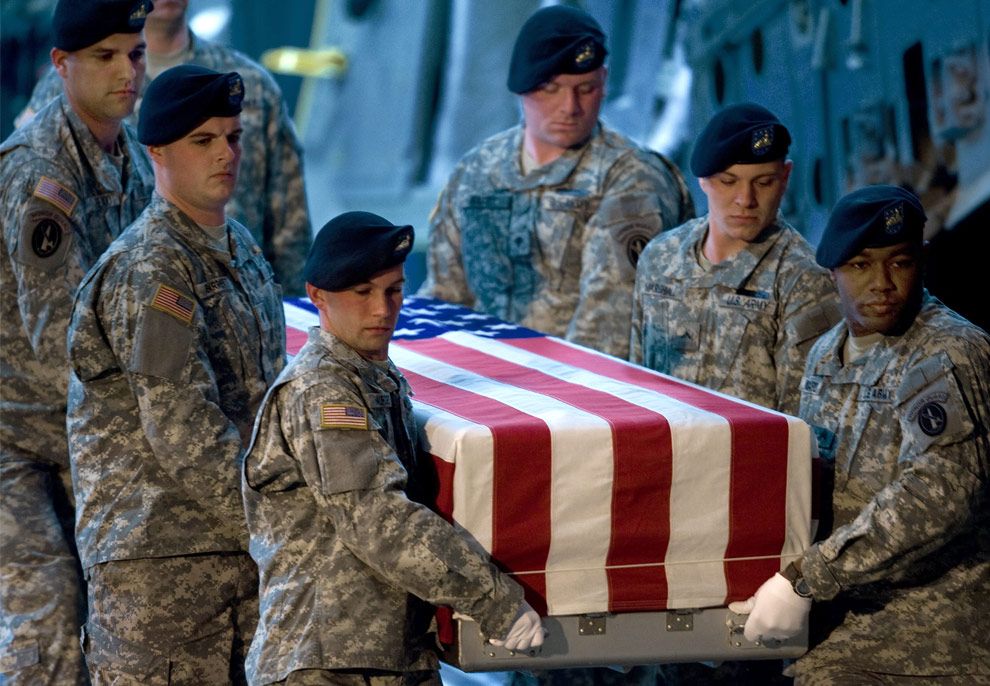
The Middle East has entered one of its most dangerous moments in decades, as Iran and the United States exchange accusations, missile strikes, and warnings of a prolonged conflict that could reshape global politics and security.


You May Also Like

Iranian security chief Ali Larijani has claimed that more than 500 American soldiers were killed within five days of fighting — a dramatic accusation that sharply contradicts official Pentagon reports.
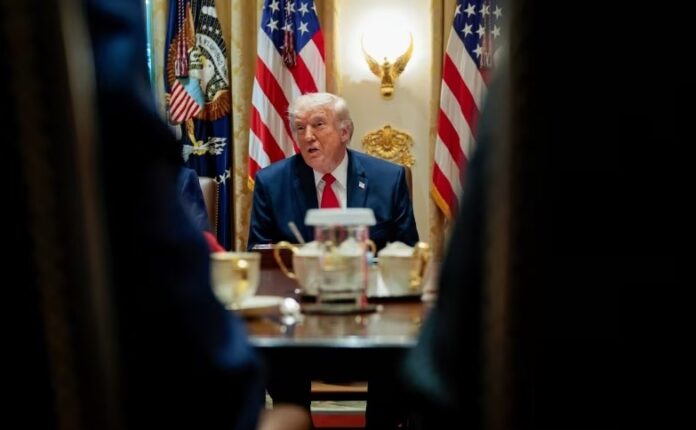
According to Larijani, the conflict erupted after what he described as a joint American-Israeli military campaign against Iran. He accused former U.S. President Donald Trump of being influenced by Israeli Prime Minister Benjamin Netanyahu and “dragging the American people into an unjust war.”
In a fiery message posted online, Larijani questioned whether American interests were truly being protected, declaring that the growing casualties should force Washington to reconsider its path forward.
However, the Pentagon has publicly confirmed only a small number of U.S. military deaths, highlighting the growing information war surrounding the conflict. Independent verification of Iran’s casualty claims remains unavailable.
A Region Consumed by Retaliation


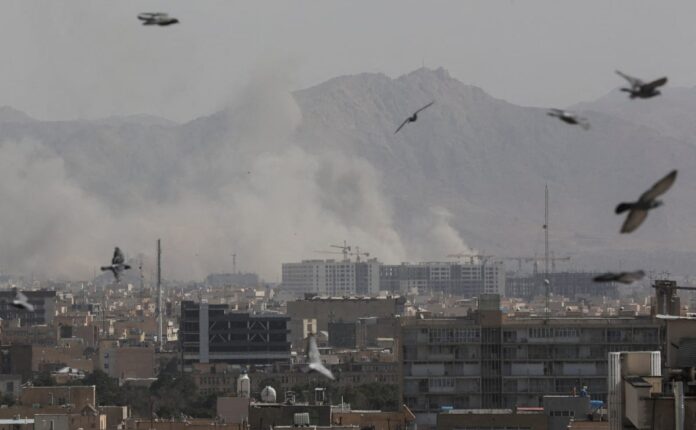
The fighting has rapidly intensified, with missile and drone attacks spreading across the region. Iranian forces have reportedly targeted Israeli positions and American military bases throughout the Middle East, while fears of wider escalation continue to grow.
Iranian leaders have vowed revenge following the reported killing of senior military figures and members of the country’s leadership. The conflict has also fueled outrage inside Iran after reports of heavy civilian casualties, including children killed during strikes in southern cities.
As both sides exchange attacks, the possibility of a prolonged regional war now appears increasingly real.
Larijani warned that Iran has “prepared itself for a long war,” signaling that Tehran may be ready for an extended confrontation rather than a short-term military exchange.
The Information War Behind the Battlefield
Modern wars are fought not only with missiles and drones, but also with narratives.


Iran’s claims of massive American losses have sparked intense debate online, especially as official U.S. reports differ dramatically. Analysts say both sides are attempting to shape global perception, influence morale, and control the political narrative.
This information battle has become nearly as important as the military confrontation itself.
Around the world, governments are watching closely. Oil markets remain unstable, military forces across the region are on high alert, and diplomats fear that even a single miscalculation could trigger a much larger international crisis.
A Dangerous Turning Point
The current confrontation represents more than another regional clash. It reflects years of rising tensions involving nuclear disputes, proxy wars, military build-ups, and geopolitical rivalry across the Middle East.
Whether the conflict expands or eventually cools through diplomacy may depend on decisions made in the coming days.
For now, the world watches anxiously as the region stands on the edge of a conflict that could alter the balance of power for years to come.