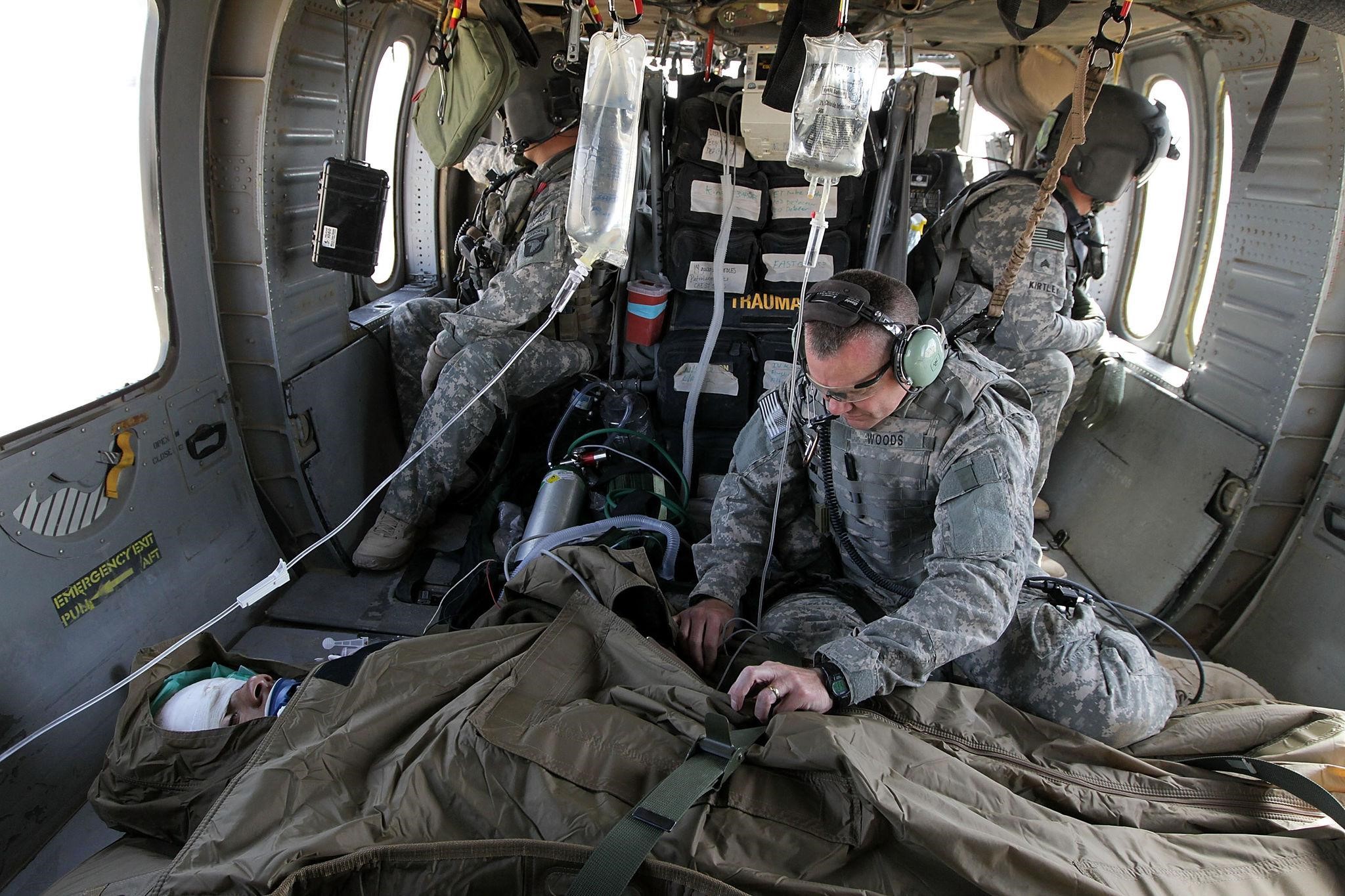
“Operation Epic Fury: The Human Cost of America’s 40-Day War Against Iran”
13 U.S. troops killed. Hundreds wounded. A conflict that revealed the brutal reality behind modern warfare.
War is often measured in missiles launched, targets destroyed, and victories announced at press conferences.
But the true cost of war is measured differently.
It is measured in lives changed forever.
In grieving families.
You May Also Like
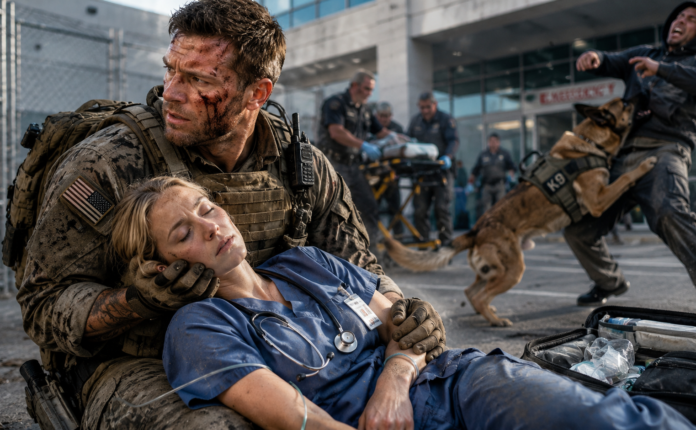
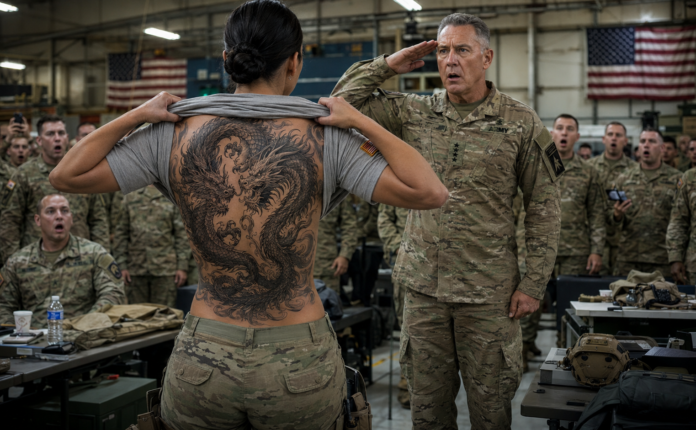
In wounded soldiers returning home carrying scars both visible and invisible.
And in the silence left behind by those who never returned.
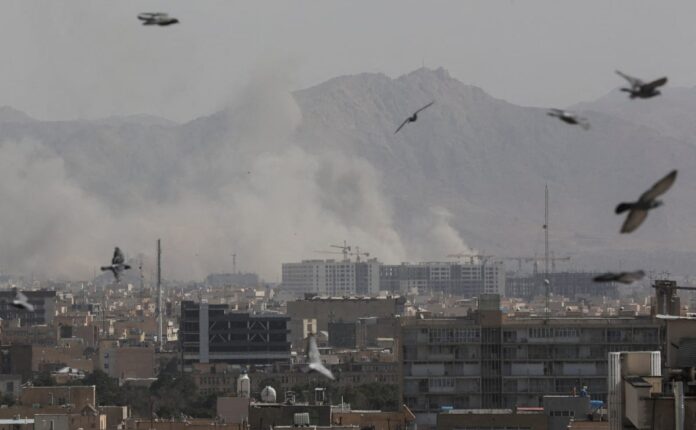
That reality became painfully clear during Operation Epic Fury, the intense 40-day military campaign between the United States and Iran that pushed the Middle East to the edge of a wider regional war.
A Conflict That Escalated Fast
According to United States Central Command, the operation resulted in:
- 13 American service members killed
- More than 380 wounded
- Thousands of combat missions conducted across the region


The conflict involved airstrikes, naval operations, missile attacks, and high-intensity regional combat stretching across multiple countries and strategic waterways.
At the center of the crisis stood the Strait of Hormuz — one of the world’s most important energy corridors.
The Sacrifice Behind the Headlines
Official casualty reports revealed that seven American troops were killed by hostile fire, while six Air Force personnel died in a non-combat aviation incident involving a refueling aircraft supporting operations.
The wounded included:
- Soldiers
- Sailors
- Airmen
- Marines
Many required evacuation to advanced military medical centers in Europe and the United States.


Some were transported to:
- Landstuhl Regional Medical Center
- Walter Reed National Military Medical Center
- Brooke Army Medical Center
Behind every statistic was a human story:
A pilot who never returned.
A medic working under fire.
A young soldier whose life changed in seconds.
The Strategic Importance of the Strait of Hormuz
The conflict also demonstrated how fragile global stability can become when critical trade routes are threatened.
Roughly one-fifth of the world’s oil and gas shipments pass through the Strait of Hormuz.
Any disruption there affects:
- Global energy prices
- International shipping
- Financial markets
- Regional military balance
As tensions escalated, military forces across the region remained on high alert.
America’s Massive Military Presence
The United States reportedly maintained more than 50,000 personnel across the Middle East during the operation.
According to military officials, U.S. forces conducted:
- More than 13,000 strikes
- Maritime interdiction missions
- Regional air defense operations
- Naval security patrols
The scale of the campaign highlighted the enormous logistical and operational reach of the modern U.S. military.
The Ceasefire — Fragile but Critical
Eventually, both sides agreed to a temporary ceasefire.
The agreement reportedly included:
- Suspension of major military strikes
- Reopening of maritime traffic routes
- Renewed diplomatic negotiations
But even after the ceasefire announcement, sporadic attacks and tensions continued across parts of the region.
Military leaders warned that forces remained fully prepared to resume operations if necessary.
The Invisible Wounds of Modern War
Not all injuries are immediately visible.
Modern warfare leaves behind:
- Physical trauma
- Burn injuries
- Neurological damage
- Emotional and psychological scars


Many service members return to duty.
Others begin years of recovery.
And for some families, life is permanently divided into two moments:
Before the war.
And after it.
A Reminder About the Reality of War
Operation Epic Fury revealed something the modern world often forgets:
Technology may change warfare.
But sacrifice remains timeless.
Behind every stealth bomber, missile launch, and military briefing are ordinary men and women carrying extraordinary burdens.
Some return home as heroes.
Some return wounded.
Some never return at all.
Final Insight
Military power can shape history.
But every conflict carries a cost that cannot truly be measured in statistics alone.
The names of the fallen become part of a nation’s memory.
The wounded carry the consequences long after headlines disappear.
And the world is reminded once again that peace, however fragile, is always more valuable than war.
Because in the end, the greatest strength of any nation is not only the power of its weapons —