The U.S. Air Force is making a major bet on one of the most legendary aircraft ever built.
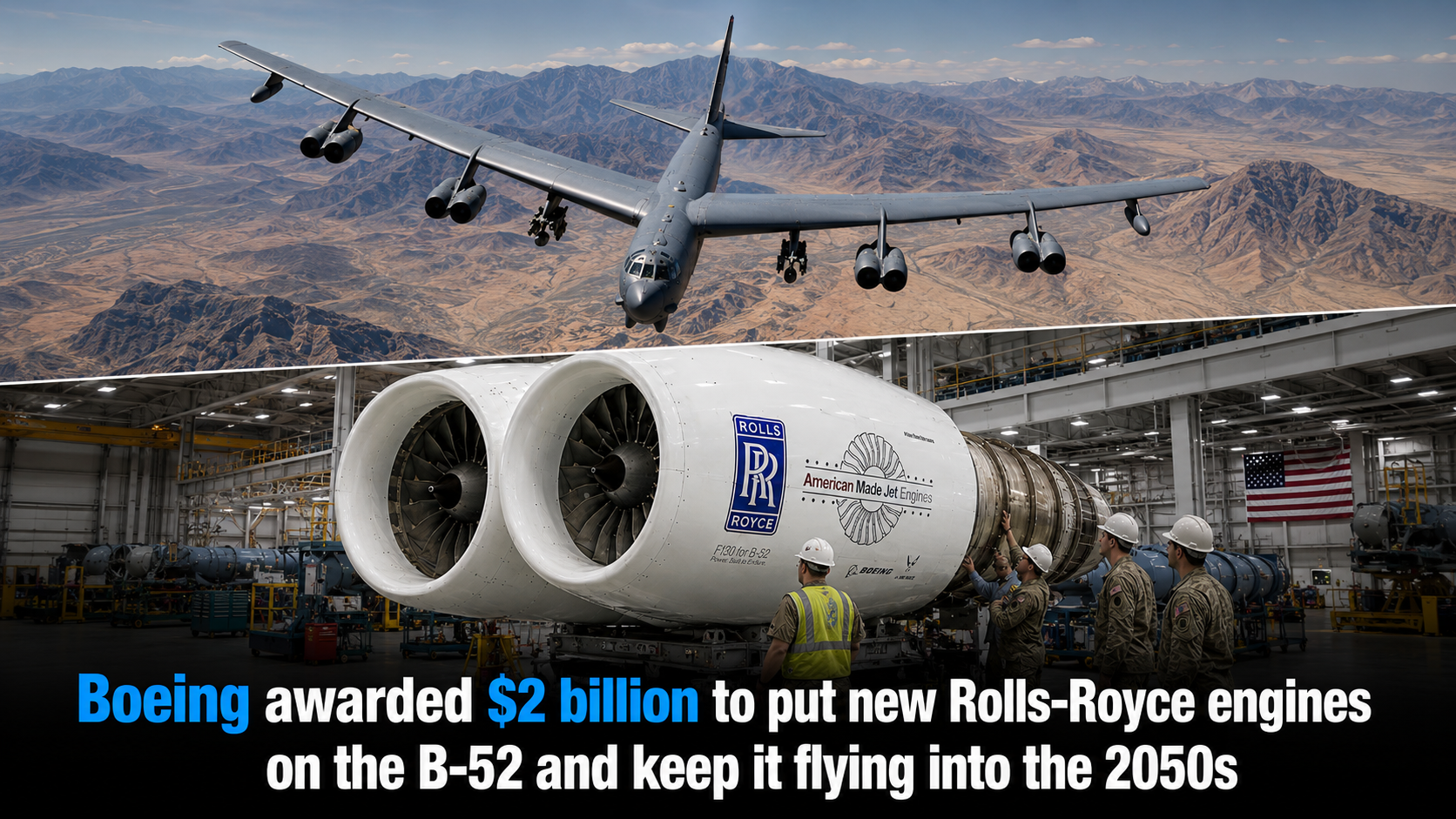
The B-52 Stratofortress, a giant long-range bomber that first flew in the 1950s, is now getting a new life through a massive engine modernization program. Boeing has been awarded a $2.04 billion task order connected to the B-52 Commercial Engine Replacement Program, a major step toward keeping the bomber flying for decades to come.
For an aircraft that is older than many of the pilots and crews who fly it, the message is clear:
The B-52 is not done yet.
You May Also Like


At the center of the upgrade is a long-awaited engine replacement. The current B-52H fleet still flies with eight Pratt & Whitney TF33 engines, a design that dates back to the Cold War era. Those engines helped carry the Stratofortress through decades of service, but they are old, costly to maintain, and no longer in production.
Now, the Air Force is moving forward with a new powerplant: the Rolls-Royce F130.
Each upgraded B-52 will receive eight F130 engines, replacing the aging TF33s. Rolls-Royce says the F130 is a proven engine that will be manufactured in the United States, with production tied to its Indianapolis facilities. The engine was selected to power the B-52 for the next phase of its life, with the goal of improving reliability, reducing maintenance demands, and increasing fuel efficiency.
This is not just a simple engine swap.
Changing the engines on a bomber as large and complex as the B-52 requires major engineering work. Boeing must integrate the new engines, modify the aircraft structure, update related systems, and test the new configuration in flight. Under the new task order, two B-52 aircraft will be modified and tested first before a broader fleet decision is made. Reports say the work is expected to continue into the early 2030s, with a decision on re-engining the full fleet expected around 2028.
If the full program moves ahead, the Air Force’s fleet of 76 B-52 bombers could eventually receive the new engines.
The engine upgrade is only one part of the B-52’s transformation.
The bomber is also receiving a modern AESA radar, giving it a major improvement over older radar technology. Once the new engines and radar upgrades are installed, the aircraft will be redesignated as the B-52J. This new version is expected to serve deep into the 2050s, meaning some B-52 airframes could approach nearly a century of operational service.
That possibility is almost unbelievable.
The B-52 first entered service during the early Cold War. It was designed in an era of slide rules, analog instruments, and early jet-age thinking. Yet today, the same basic aircraft continues to serve in a world of stealth jets, drones, hypersonic weapons, satellite-guided munitions, and advanced air defenses.
Its survival comes down to one thing: usefulness.
The B-52 can fly long distances, carry large payloads, and launch a wide range of weapons. It can be upgraded, adapted, and modernized in ways that keep it relevant. While newer bombers bring stealth and advanced penetration capability, the B-52 remains a powerful platform for long-range strike, deterrence, and global presence.
For the Air Force, keeping the B-52 flying is not just about nostalgia.
It is about strategy.
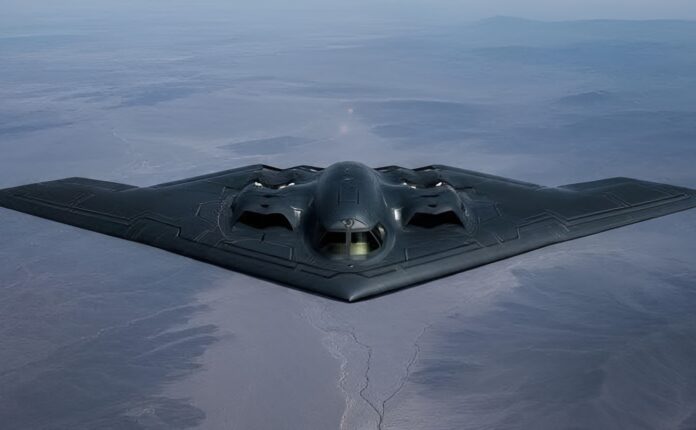
The bomber can carry conventional weapons, precision-guided munitions, and future long-range strike systems. It can operate as part of America’s bomber force alongside newer aircraft like the B-2 Spirit and the future B-21 Raider. With the right upgrades, the B-52 can continue supporting missions across the world while newer platforms take on the most dangerous roles.
The new engines are expected to help solve some of the biggest challenges facing the aging fleet.
Older engines require more maintenance, consume more fuel, and can become harder to support as parts disappear from production lines. Replacing them with modern F130 engines should help reduce maintenance pressure and keep more aircraft available for operations.
For aircrews and maintainers, that matters.
A bomber is not just a machine in the sky. It is a daily commitment from pilots, mechanics, weapons crews, engineers, and support teams. Every improvement in reliability can mean less strain on maintenance crews, fewer delays, and more confidence during missions.
That is why this upgrade is such a big deal.
The B-52 has always been a symbol of endurance. It has served through generations of conflict and tension. It has flown missions across the globe. It has adapted from nuclear deterrence to conventional strike, from Cold War standoff roles to modern precision warfare.
Now, with new engines and advanced radar, the Stratofortress is preparing for another chapter.
If the modernization succeeds, the B-52J could become one of the most remarkable military aircraft stories in history: a bomber designed in the 1950s still flying operational missions in the 2050s.
That would mean the B-52 may become the first military aircraft to serve for nearly 100 years.
For most aircraft, retirement is inevitable after a few decades. Technology moves on. Airframes age. Maintenance costs rise. Missions change. But the B-52 has repeatedly refused to disappear.
Every time people think its era is ending, the aircraft finds a new role.
The latest upgrade proves that the Air Force still sees value in the old bomber’s massive wings, long range, and heavy payload capacity. The B-52 may not look futuristic, but with modern systems inside, it could remain one of the most important aircraft in America’s bomber fleet.
For aviation fans, the news is both surprising and inspiring.
The B-52 is not just being preserved.
It is being rebuilt for the future.
The Stratofortress has already outlived aircraft that were designed to replace it. Now, with new Rolls-Royce engines, upgraded radar, and the B-52J designation ahead, it may outlive another generation of military aircraft as well.
An aircraft born in the Cold War is preparing to fly into the middle of the 21st century.
And after more than 70 years, the B-52 still has one message for the world:
It is not finished.