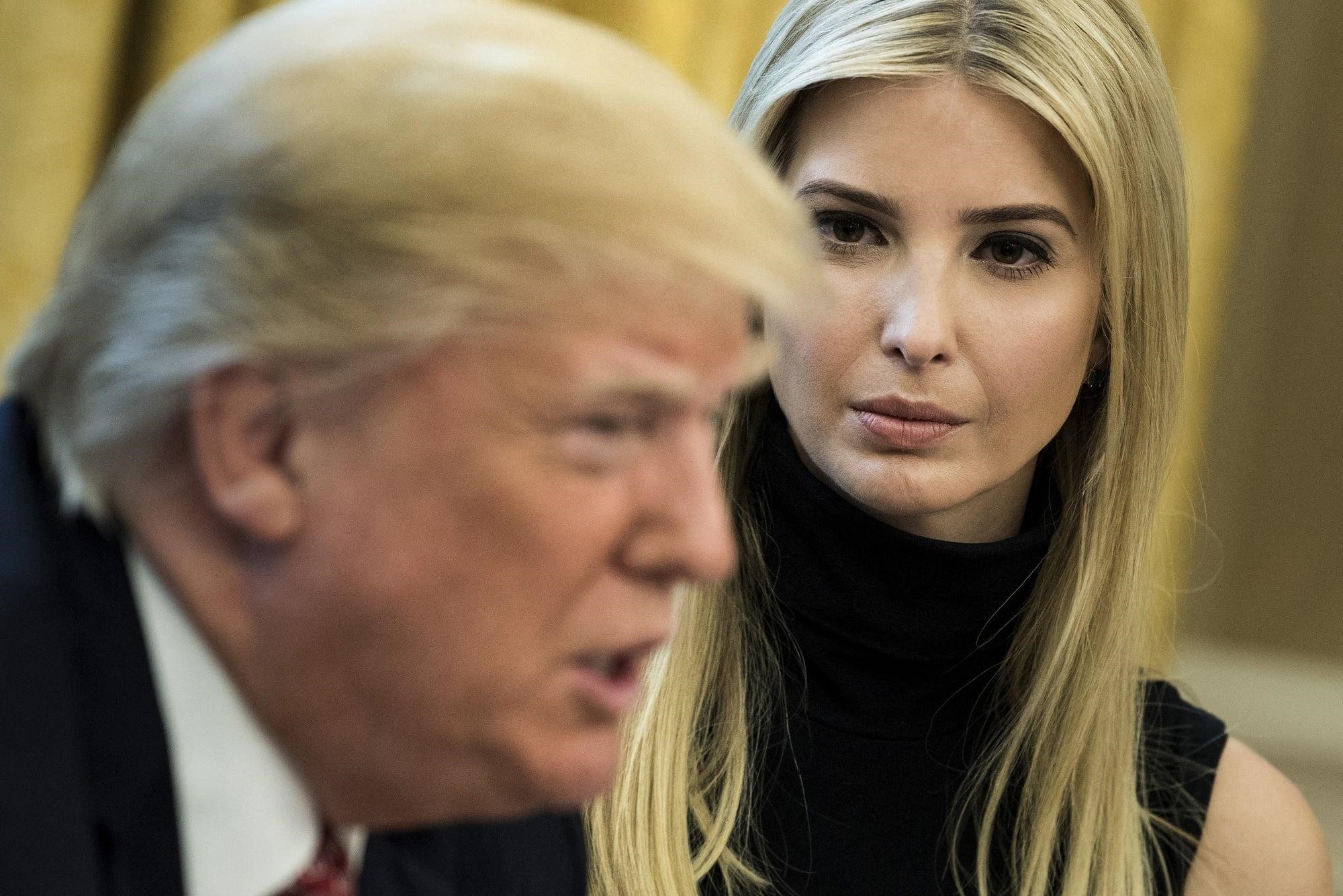
The Revenge Plot: How an Alleged IRGC-Linked Operative Targeted Ivanka Trump in a Chilling Campaign of Retribution
In the world of international espionage, terrorism, and geopolitical rivalry, threats are often directed at governments, military leaders, and strategic targets. Rarely do allegations emerge that place a former First Daughter at the center of an international revenge plot stretching from the battlefields of the Middle East to the shores of South Florida.
Yet according to reports and court filings, that is exactly what investigators now claim they uncovered.
The arrest of Iraqi national Mohammad Baqer Saad Dawood Al-Saadi has revealed allegations of a disturbing campaign allegedly motivated by one of the most consequential events in modern Middle Eastern history: the killing of Qasem Soleimani in a U.S. drone strike in January 2020.
Authorities allege that Al-Saadi was not merely expressing anger or political hostility. Instead, investigators claim he became consumed by a mission of revenge that ultimately extended to members of the Trump family, including Ivanka Trump.
You May Also Like


If proven in court, the allegations would reveal a chilling example of how geopolitical conflicts can evolve into deeply personal vendettas spanning continents, intelligence networks, and years of planning.

The Shadow of Soleimani


To understand the significance of the allegations, it is necessary to revisit January 2020.
The U.S. strike that killed Qasem Soleimani dramatically altered the strategic landscape of the Middle East.
As commander of Iran’s elite Quds Force, Soleimani was widely regarded as one of the most influential military figures in the region. Supporters viewed him as a national hero who expanded Iran’s regional influence. Critics accused him of orchestrating proxy conflicts and supporting armed groups across the Middle East.
His death was celebrated by some and condemned by others, but nearly everyone agreed on one point:
It would have consequences.
For years, analysts warned that Soleimani’s killing could inspire retaliation attempts by individuals and organizations sympathetic to Iran’s revolutionary ideology.
According to investigators, Al-Saadi allegedly became one of those individuals.
Sources claim he viewed Soleimani not simply as a military commander, but as a personal mentor and father figure.
That emotional connection, investigators allege, became the foundation of a years-long desire for revenge.
Why Ivanka Trump Became a Symbolic Target

One of the most disturbing aspects of the allegations is the reported reasoning behind the alleged plot.
According to sources cited in reports, Al-Saadi allegedly believed that targeting a member of the Trump family would inflict emotional pain comparable to what he felt after Soleimani’s death.
Investigators reportedly uncovered statements in which he allegedly described the desire to “burn down the house of Trump” metaphorically by attacking someone close to the former president.
In this alleged logic, Ivanka Trump was not selected because of a direct political role.
She was allegedly viewed as a symbolic target whose harm would send a personal message.
Counterterrorism experts have long observed that extremist actors often seek targets with emotional and symbolic value rather than purely strategic importance.
The objective is not only physical harm.
It is psychological impact.
A Map, A Threat, and an Alleged Surveillance Effort
Among the most alarming claims are allegations that investigators discovered evidence suggesting Al-Saadi had examined the Florida community where Ivanka Trump and Jared Kushner reside.
Reports indicate that social media posts attributed to him included a map of the area accompanied by threatening language directed at the United States.
Authorities have not publicly released all details regarding the alleged planning process.
However, the allegations suggest investigators believed the threat extended beyond online rhetoric.
The reported combination of surveillance activity, public threats, and alleged targeting discussions elevated concerns among counterterrorism officials.
Whether these allegations can be fully substantiated remains a matter for the judicial process.
Nevertheless, investigators apparently viewed the threat seriously enough to pursue an extensive international operation.
The Global Network Investigators Say They Discovered

The allegations against Al-Saadi extend far beyond the reported threat against Ivanka Trump.
According to the Department of Justice allegations referenced in media reports, authorities believe he was connected to a broader network involved in attacks and attempted attacks targeting American and Jewish interests.
Investigators allege connections to incidents across multiple countries, including:
- The Netherlands
- Belgium
- Canada
- The United Kingdom
- The United States
If proven, the allegations would suggest a remarkably international operational footprint.
Counterterrorism analysts frequently note that modern extremist networks are no longer confined to one country or region.
Digital communications, international travel, encrypted platforms, and transnational support structures have transformed how threats are organized and executed.
The alleged case illustrates how a single operative can potentially influence events across several continents.
The Role of Social Media in Modern Extremism
One of the most surprising aspects of the allegations is the extent of Al-Saadi’s reported online activity.
Historically, many terrorist operatives attempted to remain invisible.
Today, some choose the opposite strategy.
Investigators allege that Al-Saadi regularly posted photographs, ideological messages, threats, and personal updates online.
Pictures reportedly showed him:
- Visiting major international cities
- Meeting prominent figures
- Displaying military symbolism
- Honoring Iranian military leaders
- Posting ideological statements
Security experts often describe this phenomenon as “performative extremism.”
The internet allows individuals not only to communicate but also to construct personal narratives that elevate their perceived status within ideological movements.
In some cases, social media becomes both a propaganda platform and a tool for intimidation.
The Long Reach of the IRGC’s Legacy
The allegations have renewed attention on the global influence of the Islamic Revolutionary Guard Corps and affiliated networks.
For decades, Western intelligence agencies have monitored organizations connected to Iran’s regional security apparatus.
Supporters argue these networks provide strategic deterrence against adversaries.
Critics contend they facilitate proxy operations beyond Iran’s borders.
The allegations surrounding Al-Saadi have become part of that broader debate.
If prosecutors successfully establish connections between ideological motivations, operational planning, and international activities, the case could become one of the most significant terrorism prosecutions in recent years.
The Security Challenges Facing Public Figures
The reported plot also highlights a growing reality facing high-profile individuals.
Political leaders and their families increasingly confront threats that originate far beyond national borders.
Advances in technology have made it easier to gather information, track movements, and communicate across continents.
At the same time, security agencies have developed increasingly sophisticated tools for detecting and disrupting plots before they can be carried out.
The reported arrest demonstrates how modern counterterrorism operations often rely on:
- International intelligence sharing
- Digital surveillance
- Financial tracking
- Border security cooperation
- Human intelligence sources
The objective is simple:
Identify threats before they become tragedies.
A Case That Reflects a Larger Conflict
At its core, this story is not only about one individual.
It reflects the continuing consequences of one of the most consequential geopolitical events of the past decade.
The death of Qasem Soleimani remains a defining moment in Middle Eastern politics.
Years later, emotions surrounding that event continue to influence narratives, alliances, and security concerns across the region.
The allegations involving Al-Saadi serve as a reminder that major geopolitical decisions rarely end when headlines fade.
Their consequences can echo for years through individuals, organizations, and international relationships.
Final Analysis: The Dangerous Intersection of Revenge and Ideology
The allegations against Mohammad Baqer Al-Saadi paint a picture of a man investigators believe was driven by a mixture of ideology, loyalty, and revenge.
Whether every accusation is ultimately proven in court remains for the legal system to determine.
What is already clear, however, is the broader lesson.
Modern terrorism is often fueled not merely by politics but by personal narratives of grievance and vengeance.
When ideological commitment combines with perceived personal loss, the result can become extraordinarily dangerous.
The reported plot against Ivanka Trump underscores how global conflicts can produce threats that extend far beyond battlefields and government buildings.
It is a reminder that in the twenty-first century, the front lines of geopolitical conflict are not always found in deserts, military bases, or war zones.
Sometimes they reach into homes, families, and everyday life.
And that reality continues to shape the security challenges of our increasingly interconnected world.