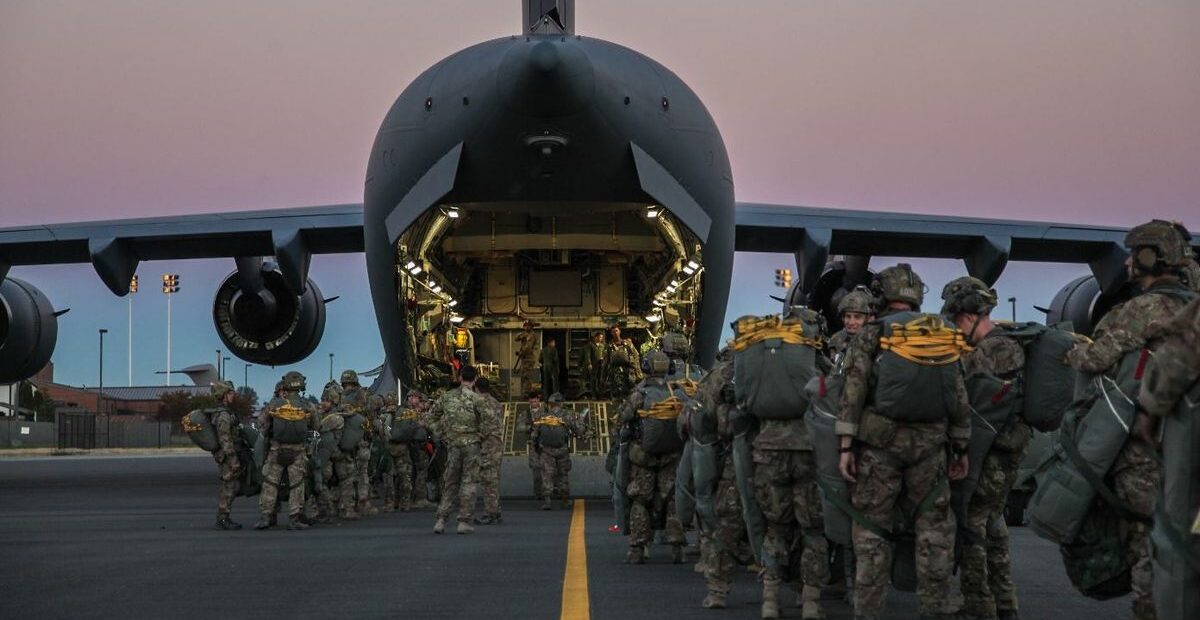
In the darkness above the Atlantic and across the deserts of the Middle East, something extraordinary was unfolding.
For seventy-two continuous hours, heavily loaded American transport aircraft reportedly crossed the skies under near-total operational secrecy. Transponders disappeared. Flight paths became irregular. Satellite observers noticed unusual patterns around remote airbases. Convoys moved at night through isolated desert corridors before vanishing into hardened installations hidden beneath mountains and sand.
Then came the reports that stunned military analysts around the world:
More than 30,000 elite U.S. special operations personnel—including Tier-1 commandos, combat controllers, cyber warfare specialists, intelligence teams, and classified tactical units—had allegedly deployed into the Middle East in one of the largest covert military mobilizations in modern history.
You May Also Like
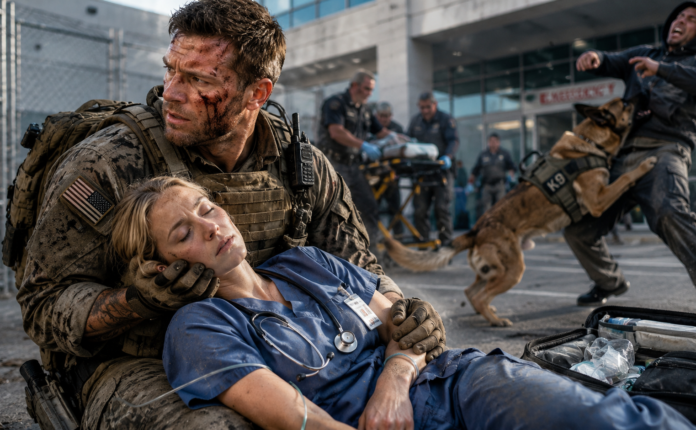
If accurate, the deployment would represent far more than a routine military exercise.
It would signal that Washington believes a major strategic threat may already be emerging beneath the surface of the region.
And history shows that when America moves its shadow forces at this scale, the world pays attention.


Reference Images for This Article
- Cover Image: Elite U.S. commandos boarding aircraft at night.
- Section 1: C-17 and C-5 transport aircraft lined up on runway.
- Section 2: Pentagon command center operations room.
- Section 3: U.S. special forces desert training.
- Section 4: Satellite imagery of Middle East airbases.
- Section 5: Underground bunker complex concept art.
- Section 6: Cyber warfare and intelligence integration center.
- Section 7: Oil markets and geopolitical map.
- Final Section: Sunrise over Middle East desert with military aircraft silhouette.
Chapter 1: The Silent Airlift


Military deployments rarely happen without signs.
Fuel contracts increase.
Cargo flights multiply.
Satellite imagery reveals unusual activity.
But according to multiple defense observers, this movement was different.
Transport aircraft allegedly operated under heightened emissions control, minimizing digital signatures and avoiding predictable flight corridors. Observers tracked waves of aircraft moving toward forward operating bases across strategic regions near the Persian Gulf, Red Sea, and eastern Mediterranean.
The scale was staggering.
A deployment involving 30,000 elite operators would require:
- Massive airlift coordination
- Advanced logistics networks
- Strategic intelligence preparation
- Fuel and ammunition stockpiles
- Medical and cyber warfare support
- Satellite surveillance integration
This is not the kind of operation launched casually.
It suggests preparation for an event considered strategically critical.
Chapter 2: America’s Shadow Warriors


The United States possesses some of the most advanced special operations forces on Earth.
These units are trained for missions ordinary military forces cannot perform.
Their responsibilities often include:
- Counterterrorism operations
- Hostage rescue
- Deep reconnaissance
- Precision raids
- Strategic sabotage
- Intelligence gathering
- Target designation
- Cyber-assisted operations
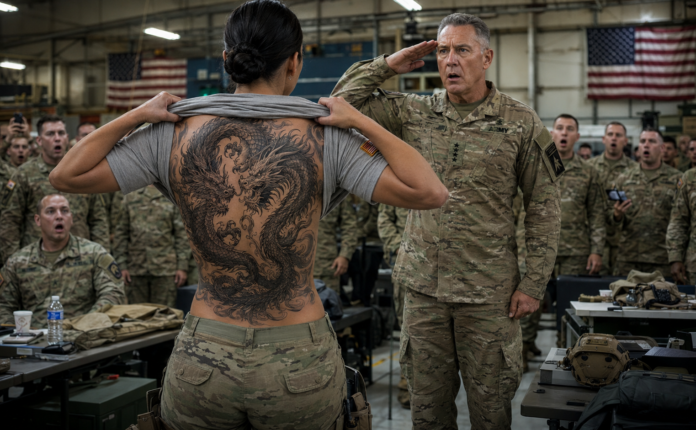
Among them are highly classified “Force” elements believed to specialize in operations so sensitive that details rarely become public.
These operators train for environments where speed, surprise, and precision determine survival.
Unlike conventional armies designed to seize territory, elite commandos are built to shape events before wars fully erupt.
That is why analysts reacted with alarm to reports of such a large concentration of special operations personnel.
This was not merely the movement of troops.
It was the movement of America’s surgical strike capability on a scale rarely seen since the height of the post-9/11 wars.
Chapter 3: Why the Middle East Matters Again


For years, many believed America’s strategic focus had shifted primarily toward the Indo-Pacific and competition with China.
Yet the Middle East remains one of the most strategically important regions on Earth.
The region controls:
- Critical oil and gas routes
- Major shipping chokepoints
- Strategic air corridors
- Counterterrorism networks
- Proxy conflict zones
- Key intelligence infrastructure
A major crisis there could rapidly affect:
- Global energy prices
- International shipping
- Financial markets
- Military alliances
- Regional governments
That is why even rumors of a massive American deployment triggered immediate reactions in oil markets and diplomatic circles.
The fear was not simply war.
It was instability spreading across an already fragile geopolitical environment.
Chapter 4: The Mystery Beneath the Desert
Perhaps the most dramatic speculation surrounding the deployment involves reports of hardened underground infrastructure buried deep beneath desert terrain.
Throughout the Middle East, several nations have invested heavily in underground military networks designed to survive air strikes and missile attacks.
These facilities may include:
- Missile storage complexes
- Nuclear infrastructure
- Command bunkers
- Drone production facilities
- Weapons laboratories
- Underground air defense centers
Modern bunker systems can extend deep into mountains or beneath reinforced concrete layers capable of resisting conventional bombing.
This is where elite commandos become critically important.
Special operations forces are often tasked with missions requiring:
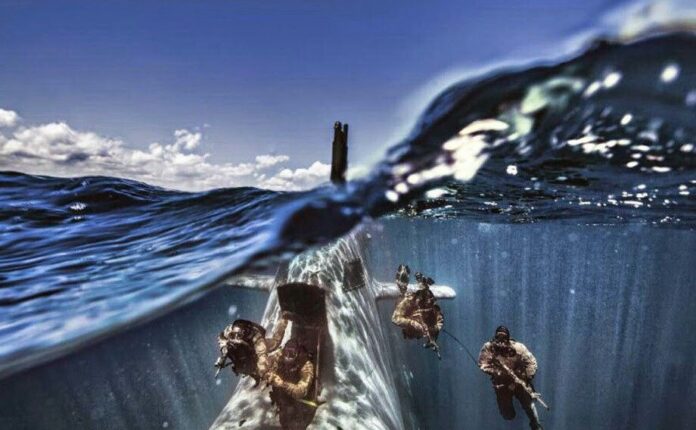
- Covert insertion
- Intelligence confirmation
- Laser designation for strikes
- Breaching fortified compounds
- Capturing sensitive materials
- Recovering classified technology
The mention of specialized bunker-breaching equipment in alleged logistics manifests intensified speculation that Washington may be preparing for operations against deeply buried strategic targets.
Chapter 5: The Rise of Multi-Domain Warfare


Modern warfare is no longer fought only with tanks and aircraft.
Today’s battles unfold simultaneously across:
- Land
- Air
- Sea
- Space
- Cyber networks
- Information systems
Reports that deployed units included cyber warfare specialists and advanced tactical integration teams suggest the operation may involve far more than conventional combat.
Cyber units could potentially target:
- Radar systems
- Communications networks
- Financial infrastructure
- Drone control systems
- Missile guidance networks
Meanwhile, intelligence fusion teams may combine:
- Satellite imagery
- Signals intelligence
- AI-driven analysis
- Electronic surveillance
- Real-time battlefield data
The objective of modern military power is no longer simply destruction.
It is dominance over information and decision-making.
The side that sees first often acts first.
And the side that acts first can reshape the battlefield before the enemy fully understands what is happening.
Chapter 6: Why the Scale Is So Unusual


Elite special operations units are usually deployed in small numbers.
Their effectiveness comes from precision, secrecy, and agility.
That is why the reported figure of 30,000 personnel shocked observers.
Such a concentration suggests several possibilities:
1. Massive Regional Contingency Planning
Preparing for simultaneous crises across multiple countries.
2. Protection of Strategic Infrastructure
Securing embassies, energy routes, or allied facilities.
3. High-Risk Counterterrorism Operations
Targeting networks considered an immediate threat.
4. Deterrence Signaling
Sending a warning to adversaries without openly declaring war.
5. Preparation for Escalation
Positioning forces before a potential regional conflict expands.
Even if only part of the reports are accurate, the scale alone indicates extraordinary concern within strategic planning circles.
Chapter 7: The Psychology of Silence


One of the most unsettling aspects of the situation is the silence.
Governments often reveal partial information to calm markets and reassure allies.
But when officials remain unusually vague, speculation intensifies.
Silence creates psychological pressure.
Adversaries begin guessing.
Markets become unstable.
Allies seek reassurance.
Intelligence agencies increase surveillance.
Sometimes strategic ambiguity itself becomes a weapon.
By refusing to clarify objectives, military planners can create uncertainty among opponents, forcing them to spread resources defensively across multiple potential threats.
Chapter 8: Oil, Markets, and Global Anxiety


The Middle East remains deeply tied to the global economy.
Even rumors of conflict can send shockwaves through financial systems.
Reports of unusual U.S. military activity reportedly contributed to sharp fluctuations in energy markets, with traders fearing disruption to vital shipping lanes and oil infrastructure.
The consequences of a major regional conflict could include:
- Higher global fuel prices
- Shipping disruptions
- Inflation increases
- Stock market instability
- Supply chain interruptions
This is why geopolitical tensions in the region never remain local for long.
The world economy is connected to the stability of the Middle East in ways that affect billions of people far beyond the battlefield.
Chapter 9: The Technology Behind the Deployment


Modern elite operators deploy with technologies once considered science fiction.
These may include:
- AI-assisted battlefield analysis
- Secure satellite communications
- Real-time drone reconnaissance
- Thermal imaging systems
- Precision-guided breaching tools
- Advanced electronic warfare gear
The battlefield is increasingly becoming a contest between networks, sensors, and algorithms.
Elite troops no longer operate alone.
They are connected to a vast ecosystem of satellites, surveillance aircraft, cyber systems, and intelligence platforms.
The modern commando is part soldier, part intelligence operative, and part technological node in a global combat network.
Chapter 10: Could This Be Deterrence Rather Than War?


Not every military deployment leads to open conflict.
Sometimes the purpose is deterrence.
The movement of overwhelming force can send a message:
- Do not escalate.
- Do not attack allies.
- Do not cross strategic red lines.
History contains many examples where visible military preparations prevented wars rather than started them.
Yet deterrence is dangerous.
If misinterpreted, it can trigger exactly the escalation it was meant to avoid.
In tense regions filled with rival powers, proxy militias, and competing intelligence networks, even defensive moves can appear offensive.
That is why large deployments carry both strategic power and enormous risk.
Chapter 11: America’s Long Shadow


The United States has spent decades developing unmatched global rapid-response capabilities.
Few nations possess the logistical reach to move thousands of elite troops across continents within days.
This capability reflects:
- Vast airlift fleets
- Global intelligence networks
- Allied military bases
- Satellite infrastructure
- Strategic planning systems
Whether one views American power as stabilizing or controversial, its scale remains extraordinary.
The deployment of elite commandos on this level demonstrates that the United States continues to maintain the ability to project force almost anywhere on Earth with remarkable speed.
Chapter 12: The Human Dimension of Elite Warfare

Behind every headline about deployments and strategy are human beings.
Elite operators endure:
- Extreme physical training
- Psychological stress
- Long separations from families
- Constant operational danger
Many missions occur without public recognition.
Successes remain classified.
Failures can become global headlines.
These individuals operate in environments where decisions are made in seconds and consequences can alter international events.
Regardless of politics, the human cost of military readiness is immense.
Chapter 13: The Information War

Modern conflict is fought not only on battlefields, but across information networks.
Rumors, leaks, satellite imagery, and online analysis now shape public perception in real time.
Sometimes information itself becomes a strategic weapon.
Governments may leak selected details intentionally.
Adversaries may spread disinformation.
Analysts may misinterpret partial evidence.
This creates an environment where perception can influence events as powerfully as military hardware.
In today’s world, wars begin in the digital realm long before the first missile launches.
Chapter 14: What Happens Next?

The greatest uncertainty is what comes after the deployment.
Several outcomes remain possible:
Scenario 1: Quiet Stabilization
The forces remain positioned as deterrence and no major conflict erupts.
Scenario 2: Precision Operations
Specialized raids target high-value threats without broader war.
Scenario 3: Regional Escalation
Local clashes expand into wider confrontation.
Scenario 4: Strategic Signaling
The deployment serves primarily psychological and diplomatic purposes.
Scenario 5: Hidden Crisis
Intelligence agencies may have uncovered a threat not yet publicly disclosed.
At this stage, certainty remains elusive.
But history suggests that movements of this magnitude rarely occur without serious strategic calculations behind them.
Final Reflection: The Desert Holds Its Breath


Across the deserts of the Middle East, beneath the silence of the night sky, thousands of highly trained operators reportedly wait in hidden bases, command centers, and forward staging areas.
The world watches satellite images.
Markets react to rumors.
Governments calculate risks.
And ordinary people wonder whether another great conflict may be approaching.
The reported deployment of 30,000 elite American commandos represents more than military movement.
It symbolizes the fragile reality of the modern world:
A world where hidden threats, advanced technology, geopolitical rivalry, and strategic fear collide in ways capable of reshaping entire regions overnight.
Whether this operation ultimately prevents war or becomes the opening chapter of a larger confrontation remains unknown.
But one truth is already clear:
When America’s shadow forces move at this scale, the world enters a moment of profound uncertainty.
And somewhere beneath the desert sands, something important may already be unfolding.